

 Single Faucet Kegerator Beer Dispensers
 Dual Faucet Two Tap Kegerators
 Triple Faucet Three Tap Kegerators
 Undercounter Built-In Kegerators
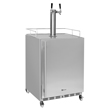 Outdoor Kegerator Beer Dispensers
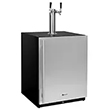 ADA Kegerators
 Commercial Kegerators
 Mini Kegerators
 Cold Brew & Nitro Coffee Dispenser Kegerators
 Home Brew Kegerators
 Carbonated Water Kegerators
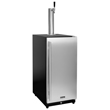 15" Kegerators
 Kombucha Equipment
 Guinness® Dispensing Kegerators
 Wine Kegerators
 Kegerator Cabinets
 Kegerator Covers and Accessories
 Kegerators
 Kegerator Conversion Kits
 Kegs & Keg Accessories
 Beer Faucets
 Beer Shanks
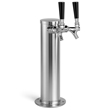 Draft Beer Towers
 Keg Taps Couplers
 Regulators & Gas Equipment
 Beer & Gas Line Hose
 Co2 and Nitrogen Air Tanks
 Beer Line Cleaning Equipment
 Drip Trays
 System Fittings
 Jockey Boxes
 Keg Beer Party Pumps
 Glassware
 Guinness® Dispensing Equipment
 Remote Glycol Systems
 Wine Cooler Refrigerators
 Wine Cellar Cabinets
 Wine Racks
 Cooling Units
 Wine Dispensing Systems
 Wine Accessories
 Wine Making
 Nitro Hot Draft System
 Ready to Drink Bag-in-a-Box Coffee Dispensing Equipment
 Nitrogen Infusers
 Nitrogen Tanks & Generators
 Nitrogen Beer Regulators
 Nitro Cold Brew Coffee Kegs
 Cold Brewed Coffee Tools
 Cleaning Equipment
 Outdoor Appliances
 ADA Appliances
 Panel Ready Appliances
 Commercial Grade Appliances
 Beverage Centers
 Refrigerators
 Drawer Refrigerators
 Ice Makers
 Water Dispensers & Accessories
 Freezers
 Home Brew Equipment Kits
 Fermentation Equipment
 Boiling and Mashing Equipment
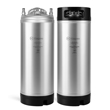 Home Brew Beer Kegs
 Home Brew Kegerator Conversion Kits
 Brewing Tools
 Home Brew Ingredients
 Cleaning Chemicals
 Test Equipment
 Home Brew Beer Bottles and Bottling Equipment
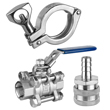 Brewery Fittings
 Draft Beer Equipment
 Homebrewing Equipment
 Wine Equipment
 Luxury Appliances and Refrigeration
 Coffee Equipment
 Kombucha
 The Beverage Blog
 Frequently Asked Beer Questions
 Shop by Brand
 Shop by Category
Mr. Beer Home Brewing Instructions
These instructions will familiarize you with the Standard brewing procedures of the MR.BEER® Home Brewery. In approximately 2 weeks the included basic recipe will produce 8 quarts of beer with the taste of a typical American lager.
Once you are familiar with the basic principles of this brewing kit, you will be able to make a wide range of other beers using MR.BEER® ingredients and recipes.
Step 1: Sanitizing
Sanitizing is an essential step in the beer making process because it kills microscopic bacteria, wild yeast, and molds that may cause off flavors in your beer. All equipment that comes in contact with your beer must be sanitized.
1.1. Fill keg with warm water to the 4-quart mark on the back. Then add 1/2 pack (1 tbsp.) of OneStep™ Cleanser.
1.2. Place your mixing spoon, can opener and measuring cup into keg. Screw on lid and swirl so that the solution makes contact with all parts of the keg including the lid.
NOTE: Do this step over sink. The keg opening is notched for ventilation and will leak if tipped over.
1.3. Open and close the tap several times to allow sanitizing solution to flow through.
1.4. Dispense solution from the keg tap onto the bowl/plate in order to create a sanitized surface for you to rest your utensils.
1.5. Allow all items to soak for a minimum of 10 minutes. Then drain keg and remove all equipment placing them on the sanitized plate. No rinsing required.
Step 2: Brewing
It typically takes a minimum of seven days at room temperature to ferment your beer. Due to variances in temperature, yeast vitality, and age of beer mix, fermentation may take longer (10-14 days).
2.1. Fill keg with cold water to the 4-quart mark on the back.
2.2. Remove yeast packet from under lid of beer mix, then place unopened can in hot water. (warm liquid pours more easily)
2.3. Using the sanitized measuring cup, place 4 cups of cold water into the clean 3-quart pot, then slowly sprinkle in the Booster™ while continually stirring to avoid clumping.
2.4. Once the Booster™ is fully dissolved, bring to a boil then remove from heat.
2.5. Stir beer mix into mixture of water and Booster™. (This mix is called the wort)
2.6. Pour wort into keg. Bring the volume of the keg to the 8.5-quart mark by adding more cold water. Stir vigorously to mix well.
2.7. Sprinkle yeast into keg and allow to sit for 5 minutes. Stir vigorously again, then screw on lid.
2.8. Ferment by placing the keg out of direct sunlight and in a location with a consistent temperature. Allow beer to ferment a MINIMUM OF SEVEN DAYS at room temperature. (Between 68°-76°F)
CAUTION: Do not open the brew keg lid during fermentation, it will cause beer spoilage. The keg has ventilation notches to prevent it from exploding during the fermentation process.
IF YOUR KIT DOES NOT INCLUDE BOTTLES: Collect plastic soda bottles (before you begin step 3) and use caps supplied with kit. Soda bottles come in many sizes and are perfect for bottling your beer. Use Only bottles that have previously held carbonated beverages. You will be brewing 256 ounces of beer, so collect enough bottles to hold this amount. MR.BEER® sells both glass and plastic bottles.
Step 3: Bottling & Carbonating
MR.BEER® is naturally brewed, and therefore it has yeast sediment at the bottom of the bottle. The yeast is rich in Vitamin B complex and is good for you, but will cause the beer to turn cloudy if disturbed.
Your beer is ready to bottle when there are no floating colonies of yeast, a good layer of sediment is visible on the bottom of the keg and the beer is relatively clear of particles. If you draw beer from the tap it should taste flat, but not sweet and is ready to bottle. (If it tastes sweet give it another day or two.)
3.1. Fill a 1-gallon container with warm water, and the remaining OneStep™ cleaner. Fill bottles 1/2 full with this sanitizing solution. Screw on caps and shake bottles vigorously. Let soak for 10 minutes then empty.
3.2. Add white granulated sugar to bottles in the amounts shown below.
BOTTLE SIZE / SUGAR AMOUNT
12 ounce bottles use 3/4 tsp.
16 ounce bottles use 1 tsp.
20 ounce bottles use 1 1/4 tsp.
22 ounce bottles use 1 1/2 tsp.
1 liter/quart bottle use 2 1/2 tsp. (Included with Premium Edition)
2 liter bottles use 1 1/2 tbsp.
3 liter bottles use 2 1/4 tbsp.
3.3. While holding bottle at an angle fill each about 2 inches from the top. To minimize amount of sediment transferred into the bottles, do not unnecessarily move your keg while bottling.
3.4. Place caps on bottles, hand tighten, and then shake gently to dissolve sugar.
3.5. Place bottles upright and out of direct sunlight and in a room with a consistent room temperature. (Between 68˚-76˚ F)
Allow a MINIMUM of 7 days at room temperature to carbonate beer. For optimal carbonization let beer sit for 2-3 weeks.
CAUTION: Too much sugar and/or bottling your beer too early may result in gushing or burst bottles due to over pressurization. Too little sugar will result in a flat beer.
Step 4: Conditioning (Age or Lager)
After your beer has carbonated it is ready to drink. However, to improve the flavor of your beer even more you may want to condition it for weeks or even months. This can be done one of two ways:
A. Warm conditioning (aging): Place beer in a dark, dry location away from sunlight that is 50°-70° F.
B. Cold conditioning (lagering): Place beer into a refrigerator, or dark dry location that is 35°-49° F.
Whether you choose to condition your beer or not, it will always taste best if chilled for at least two or more days before drinking.
TIP: Drink your beer within 4 months of bottling.
Afterward: Care and Cleaning
- Disassemble tap assembly between uses and wash in warm soapy water. Store disassembled, and always sanitize before use.
- Do not put keg or bottles in dishwasher. After brewing, clean with a mild anti-bacterial soap and soft cloth in warm water.
- Do not use abrasives or scouring pads. Bottles and caps are completely re-usable, rinse bottles immediately after drinking.
- Before using bottles, caps or keg again, they must be sanitized as instructed in Step 1.