

 Single Faucet Kegerator Beer Dispensers
 Dual Faucet Two Tap Kegerators
 Triple Faucet Three Tap Kegerators
 Undercounter Built-In Kegerators
 Outdoor Kegerator Beer Dispensers
 ADA Kegerators
 Commercial Kegerators
 Mini Kegerators
 Cold Brew & Nitro Coffee Dispenser Kegerators
 Home Brew Kegerators
 Carbonated Water Kegerators
 Panel Ready Kegerators
 15" Kegerators
 Guinness® Dispensing Kegerators
 Wine Kegerators
 Kegerator Cabinets
 Kegerator Covers and Accessories
 Kegerators
 Kegerator Conversion Kits
 Kegs & Keg Accessories
 Beer Faucets
 Beer Shanks
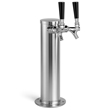 Draft Beer Towers
 Keg Taps Couplers
 Regulators & Gas Equipment
 Beer & Gas Line Hose
 Co2 and Nitrogen Air Tanks
 Beer Line Cleaning Equipment
 Drip Trays
 System Fittings
 Jockey Boxes
 Keg Beer Party Pumps
 Glassware
 Guinness® Dispensing Equipment
 Remote Glycol Systems
 Wine Cooler Refrigerators
 Side by Side Wine Cellars
 Shallow Depth Wine Refrigerators
 Panel Ready Wine Refrigerators
 Cooling Units
 Wine Racks
 Beverage Centers
 Wine Dispensing Systems
 Nitro Hot Draft System
 Ready to Drink Bag-in-a-Box Coffee Dispensing Equipment
 Nitrogen Infusers
 Nitrogen Tanks & Generators
 Nitrogen Beer Regulators
 Nitro Cold Brew Coffee Kegs
 Cold Brewed Coffee Tools
 Cleaning Equipment
 Outdoor Appliances
 ADA Appliances
 Panel Ready Appliances
 Commercial Grade Appliances
 Refrigerators
 Drawer Refrigerators
 Ice Makers
 Water Dispensers & Accessories
 Freezers
 Home Brew Equipment Kits
 Fermentation Equipment
 Boiling and Mashing Equipment
 Home Brew Beer Kegs
 Home Brew Kegerator Conversion Kits
 Brewing Tools
 Cleaning Chemicals
 Test Equipment
 Home Brew Beer Bottles and Bottling Equipment
 Brewery Fittings
 Draft Beer Equipment
 Homebrewing Equipment
 Wine Equipment
 Luxury Appliances and Refrigeration
 Coffee Equipment
 The Beverage Blog
 Frequently Asked Beer Questions
 Shop by Brand
 Shop by Category
Common Draftbeer Questions
A: Draft beer is beer served directly from a keg rather than from a bottle or can. It's typically fresher and often preferred for its flavor and carbonation control.
Draft beer is stored and dispensed from a keg, offering better flavor preservation and less exposure to light and oxygen compared to bottled or canned beer.
A: While beer does not "go bad", it does change flavor with exposure to bacteria, oxygen, and temperature. The rate at which beer will spoil is dependent upon the combination of all three of these factors.
- If you dispense your beer with a party pump, which uses air instead of CO2 to drive the beer, you can only expect your beer to remain fresh for 8-12 hours.
- If you keep your kegs warm, and drive them with CO2 through a jockey box or other faucet, they will most likely last a couple of months.
- If you keep your beer cold, use CO2 instead of air to drive the beer, keep the dispensing system clean, and buy kegs from breweries that have strict sanitizing and cleaning procedures, your keg will last 4 months or more with minimal or no noticeable flavor change.
A: Depending on the type of keg, you can expect to get the following:
| Type | Gallons | Ounces | # of 12 oz. Beers | |
|---|---|---|---|---|
 | 3 Gallon Keg | 3 | 384 | 32 |
 | 5 Gallon Keg | 5 | 661 | 55 |
 | Quarter Barrel Keg | 7.75 | 992 | 82 |
 | Euro Keg | 13.2 | 1690 | 140 |
 | Full-Size Keg (1/2 Barrel) | 15.5 | 1984 | 165 |
| 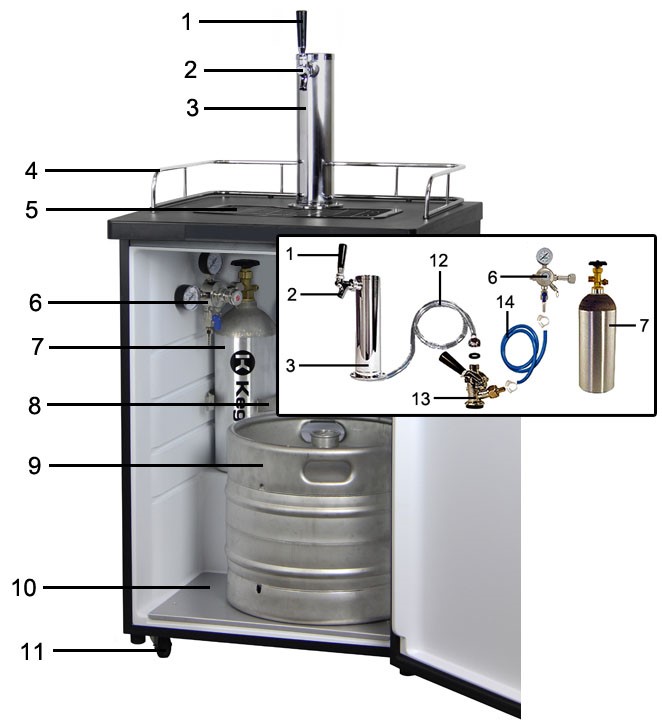 |
| Faucet Knob/Tap Handle | Push or pull the faucet handle to start beer flowing out of the faucet. |
| Faucet | Dispenses beer and controls its flow into your glass. Also referred to as a tap. |
| Draft Beer Tower | Contains the beer lines and holds the faucets in place. Can be air or glycol cooled, comes in various styles and finishes, and can hold single or multiple faucets. |
| Guard Rail | Helps prevent beer glasses from falling off of the kegerator. |
| Drip Tray | Located under the faucet to catch any runoff beer. |
| Regulator | Controls the flow of gas. |
| CO2 Tank | Houses the CO2 gas, which is used to push beer from the keg through the beer line to the faucet. |
| CO2 Tank Holder | Holds the CO2 tank in place on the kegerator. |
| Metal Keg Floor Support | Allows the kegerator floor to support the weight of a full keg, and prevents cool air from leaking out of the bottom of the unit. |
| Casters | Allows you to roll the kegerator wherever you need it. |
| Beer Line | Beer travels through the beer line from the keg coupler to the faucet. |
| Keg Coupler | Taps the keg, allowing gas into the keg and beer out of the keg. |
| Air Line | Allows CO2 to flow from the regulator into the keg, pushing beer out of the faucet. |
A: Temperature is a key factor in storing and dispensing draught beer. Beer can freeze at 28 degrees, and temperatures above 39 degrees cause the CO2 molecule to expand, making your beer foamy, so it is important to select and maintain proper operating temperatures inside the refrigerator cabinet. The optimum temperature for serving cold beer is between 34-38 degrees.
A: The ideal range is typically 10-14 PSI depending on the beer style and draft system setup. Incorrect pressure can cause foam or flat beer.
A: Keeping your glassware clean is the key to serving good draught beer. To achieve this:
- Maintain strict sanitary conditions in the glass washing area.
- Never wash glassware with utensils or dishes used to serve food. Food particles and/or residue can affect the quality/taste of draught beer.
- For best results, use a dedicated dishwasher for your glassware, or wash in a clean three-tub sink where you can clean the glass with hot water and detergent, rinse it in fresh cold water, and sanitize it with a mixture of hot water and the appropriate sanitizer.
- Do not use regular liquid household dish washing detergents for glassware. They are fat-based and will leave a slight oily film on the glass. This causes beer to go flat quickly. Use a detergent designed specifically for beer glass cleaning. It must be low-suds, odor-free, and non-fat.
- Avoid drying glassware with towels, as they tend to leave traces of lint on the surface of the glass. Instead, air-dry and store on a stainless-steel wire basket or corrugated basket or surface for maximum air circulation. Store in an odor, smoke, grease, and dust-free environment.
- We recommend that you use beer glassware only for beer. Dairy and other food products leave a residue which can affect the quality/taste of the draught.
- To perform the "sheeting test", dip a glass in water. If it has been properly cleaned, the glass will be evenly coated with water, which it will shed evenly in unbroken "sheets". If there is still film remaining, the water will break up into droplets.
- To perform the "salt test", sprinkle salt on the interior of a wet glass. The salt will adhere evenly to a clean surface, but will not adhere to any parts still containing film.
- To perform the "lacing test", fill a glass with beer. In a beer clean glass, foam will adhere to the inside of the glass in parallel rings after every sip, forming a lacing pattern. In an improperly cleaned glass, any foam will adhere in a loose, random pattern, if it adheres at all. A glass that has not been properly cleaned may have loose, large bubbles that will cause the head to disappear quickly.
A: Beer lines should be cleaned every two weeks with a cleaning solution. Dirty lines affect taste and can harbor bacteria.
Why Cleaning Beer Lines MattersKeeping your beer lines clean is essential for preserving the flavor and quality of your draft beer. Over time, beer stone (calcium oxalate), yeast, mold, and bacteria can accumulate inside the lines, leading to off-flavors, excessive foam, and even potential health risks. If you notice a sour taste or cloudy appearance in your beer, dirty lines are often to blame.
How Often and How to Clean Beer LinesFor best results, beer lines should be cleaned at least every two weeks using a professional-grade line cleaning solution. The process involves flushing the lines with the solution, rinsing thoroughly with water, and ensuring no residue remains. For systems that see heavy use, weekly cleanings may be necessary. Additionally, faucets, couplers, and other components should also be disassembled and sanitized regularly to maintain a clean and consistent pour.
Beverage Factory offering high quality beer line cleaning equipment that helps you to solve this problem.
A: Beer lines should be cleaned every two weeks with a cleaning solution. Dirty lines affect taste and can harbor bacteria.
Why Cleaning Beer Lines MattersKeeping your beer lines clean is essential for preserving the flavor and quality of your draft beer. Over time, beer stone (calcium oxalate), yeast, mold, and bacteria can accumulate inside the lines, leading to off-flavors, excessive foam, and even potential health risks. If you notice a sour taste or cloudy appearance in your beer, dirty lines are often to blame.
How Often and How to Clean Beer LinesFor best results, beer lines should be cleaned at least every two weeks using a professional-grade line cleaning solution. The process involves flushing the lines with the solution, rinsing thoroughly with water, and ensuring no residue remains. For systems that see heavy use, weekly cleanings may be necessary. Additionally, faucets, couplers, and other components should also be disassembled and sanitized regularly to maintain a clean and consistent pour.
Beverage Factory offering high quality beer line cleaning equipment that helps you to solve this problem.
- Make sure that your glass is "beer clean".
- Hold the glass about an inch under the faucet at a 45 degrees angle, then fully open the faucet. Make sure that the outside of the faucet does not touch the inside of the glass or the beer itself.
- Once the beer has reached about a halfway point in the glass, begin to gradually tilt the glass upright.
- Pour beer straight down into the glass, forming a one-inch collar of foam ("head").
- Quickly close the faucet to avoid overflow.
A: Growlers can be a great way to transport and share beer when a traditional keg is inconvenient. When filling a growler, be sure to always use clean and sanitized growlers and filling tubes, and be aware of how laws on filling growlers may vary in your state.
- Before filling a growler, it is always a good idea to rinse it out with cold water to cool down the growler and prevent the beer from excessively foaming.
- Insert a tube (3/8" ID x 1/2" OD works for standard faucets) into the faucet that reaches to the bottom of the growler.
- Open the faucet handle all the way and fill the growler from the bottom up.
- When foam begins to come out of the top of the growler, close the faucet, remove the tube, and seal the growler