

 Single Faucet Kegerator Beer Dispensers
 Dual Faucet Two Tap Kegerators
 Triple Faucet Three Tap Kegerators
 Undercounter Built-In Kegerators
 Outdoor Kegerator Beer Dispensers
 ADA Kegerators
 Commercial Kegerators
 Mini Kegerators
 Cold Brew & Nitro Coffee Dispenser Kegerators
 Home Brew Kegerators
 Carbonated Water Kegerators
 Panel Ready Kegerators
 15" Kegerators
 Guinness® Dispensing Kegerators
 Wine Kegerators
 Kegerator Cabinets
 Kegerator Covers and Accessories
 Kegerators
 Kegerator Conversion Kits
 Kegs & Keg Accessories
 Beer Faucets
 Beer Shanks
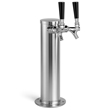 Draft Beer Towers
 Keg Taps Couplers
 Regulators & Gas Equipment
 Beer & Gas Line Hose
 Co2 and Nitrogen Air Tanks
 Beer Line Cleaning Equipment
 Drip Trays
 System Fittings
 Jockey Boxes
 Keg Beer Party Pumps
 Glassware
 Guinness® Dispensing Equipment
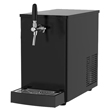 Remote Glycol Systems
 Wine Cooler Refrigerators
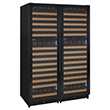 Side by Side Wine Cellars
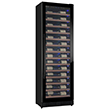 Shallow Depth Wine Refrigerators
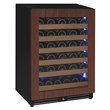 Panel Ready Wine Refrigerators
 Cooling Units
 Wine Racks
 Beverage Centers
 Wine Dispensing Systems
 Nitro Hot Draft System
 Ready to Drink Bag-in-a-Box Coffee Dispensing Equipment
 Nitrogen Infusers
 Nitrogen Tanks & Generators
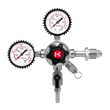 Nitrogen Beer Regulators
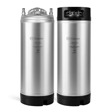 Nitro Cold Brew Coffee Kegs
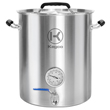 Cold Brewed Coffee Tools
 Cleaning Equipment
 Outdoor Appliances
 ADA Appliances
 Panel Ready Appliances
 Commercial Grade Appliances
 Refrigerators
 Drawer Refrigerators
 Ice Makers
 Water Dispensers & Accessories
 Freezers
 Home Brew Equipment Kits
 Fermentation Equipment
 Boiling and Mashing Equipment
 Home Brew Beer Kegs
 Home Brew Kegerator Conversion Kits
 Brewing Tools
 Cleaning Chemicals
 Test Equipment
 Home Brew Beer Bottles and Bottling Equipment
 Brewery Fittings
 Draft Beer Equipment
 Homebrewing Equipment
 Wine Equipment
 Luxury Appliances and Refrigeration
 Coffee Equipment
 The Beverage Blog
 Frequently Asked Beer Questions
 Shop by Brand
 Shop by Category
We offer a compatibility guide that can match your brand of beer to the correct keg coupler.
Compatibility GuideYou tap a keg by using a keg coupler.
You will need to purchase the correct coupler to match the brand of beer keg you have. You can refer to our compatibility guide to find which coupler is right for you.
- Do not agitate the keg. If there has been excessive agitation during transportation, allow the keg to settle for 1 to 2 hours before tapping.
- Make sure the beer faucet is in the off position prior to tapping.
- Remove the dust cover from the beer keg.
- Make sure the keg coupler handle is in the up (off) position.
-
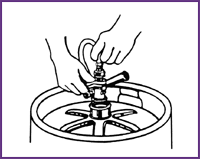
Align lug locks on coupler body with lug housing in top of keg; insert tavern head
-
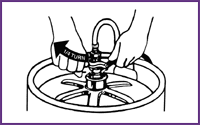
Turn coupler body 1/4 turn clockwise; the tavern head is now secured to keg.
-
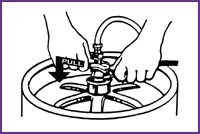
Pull lever handle out and push down to open beer and CO2 ports in keg. The keg is now tapped.
All standard keg couplers produced in the US use universal threads, making it easy to switch couplers without cutting hoses or removing clamps.
- Using the shut-off valve on your regulator, turn off the CO2.
- Loosen the hex or wing nut fittings on both the gas and beer hose assembly of the coupler you wish to remove, and remove those hoses from the coupler. Make sure any washers or check valves present are reinstalled properly.
- Connect those hoses to the coupler you will be using, and tighten the hex or wing nut fittings.
- Using the shut-off valve on your regulator, turn the CO2 back on.
This method will not work for a twin probe coupler.
-
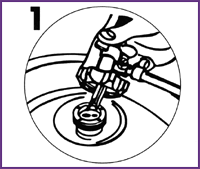
Insert probes
-
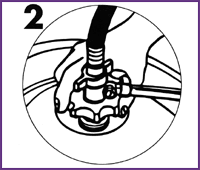
Screw coupler body on tight.
-
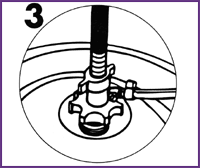
Turn on pressure and draw beer.
Unlike keg couplers, which dispense beer using pressurized gas from a cylinder, picnic or party pumps dispense beer using air pumped into the keg by a hand pump.
Party pumps make it easy to dispense beer at special events where a full setup may not be practical, but due to the harmful affect that oxygen has on beer, kegs dispensed using a party pump should be consumed within a few hours before the beer becomes flat and stale.
After purchasing a keg for use with a party pump, it is recommended that you use a Keg Jacket or blanket to help insulate the keg and keep it cool until it reaches the location where it will be dispensed. It should then be kept in a barrel of ice and out of direct sunlight.
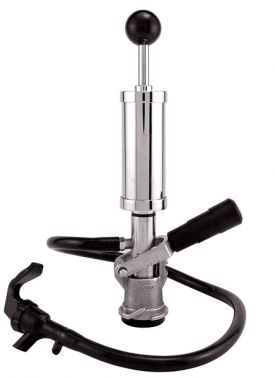
To dispense beer using a party pump:
- Tap the keg, and open the faucet until all of the pressure is released.
- Open the faucet and begin pumping. Do not pump before opening the faucet, as this can cause a faster and foamier pour.
- Stop pumping once a good beer flow has been reached. Remember to only pump to maintain your beer flow, and only pump when the faucet is open.
After each use, clean your party pump using beer line cleaning chemicals.
To clean your party pump using a pressurized cleaning bottle:
- Remove the cleaning bottle cap, and mix beer line cleaning chemicals with water according to the manufacturer's directions.
- Put the cleaning bottle cap back on the bottle, and tap it with the party pump as if it was a keg.
- Use the party pump to pressurize the cleaning bottle, and squeeze the faucet to release about a quart of the cleaning solution.
- Before removing the bottle cap, pull the pressure relief valve to release bottle pressure. Remove the bottle cap, pour fresh water into the cleaning bottle, and repeat steps 2 and 3.
A jockey box is a cooler that allows you to dispense ice cold beer without having to keep the kegs themselves cold.
In a jockey box that uses a cold plate, beer is cooled as it is run through an aluminum cold plate that has been covered in ice. Melted ice must be drained from the cooler and the remaining ice must be periodically pushed back down onto the cold plate in order to ensure that it is being properly cooled.
In a jockey box that uses a coil, beer is cooled as it is run through a stainless steel coil that has been covered with ice and water. Because the coils are longer than the cold plate tubing, allowing the beer more time to be cooled, jockey boxes using coils are generally recommended over those using cold plates.
