

 Single Faucet Kegerator Beer Dispensers
 Dual Faucet Two Tap Kegerators
 Triple Faucet Three Tap Kegerators
 Undercounter Built-In Kegerators
 Outdoor Kegerator Beer Dispensers
 ADA Kegerators
 Commercial Kegerators
 Mini Kegerators
 Cold Brew & Nitro Coffee Dispenser Kegerators
 Home Brew Kegerators
 Carbonated Water Kegerators
 Panel Ready Kegerators
 15" Kegerators
 Guinness® Dispensing Kegerators
 Wine Kegerators
 Kegerator Cabinets
 Kegerator Covers and Accessories
 Kegerators
 Kegerator Conversion Kits
 Kegs & Keg Accessories
 Beer Faucets
 Beer Shanks
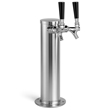 Draft Beer Towers
 Keg Taps Couplers
 Regulators & Gas Equipment
 Beer & Gas Line Hose
 Co2 and Nitrogen Air Tanks
 Beer Line Cleaning Equipment
 Drip Trays
 System Fittings
 Jockey Boxes
 Keg Beer Party Pumps
 Glassware
 Guinness® Dispensing Equipment
 Remote Glycol Systems
 Wine Cooler Refrigerators
 Side by Side Wine Cellars
 Shallow Depth Wine Refrigerators
 Panel Ready Wine Refrigerators
 Cooling Units
 Wine Racks
 Beverage Centers
 Wine Dispensing Systems
 Nitro Hot Draft System
 Ready to Drink Bag-in-a-Box Coffee Dispensing Equipment
 Nitrogen Infusers
 Nitrogen Tanks & Generators
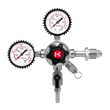 Nitrogen Beer Regulators
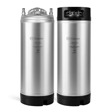 Nitro Cold Brew Coffee Kegs
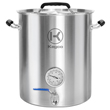 Cold Brewed Coffee Tools
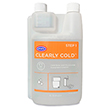 Cleaning Equipment
 Outdoor Appliances
 ADA Appliances
 Panel Ready Appliances
 Commercial Grade Appliances
 Refrigerators
 Drawer Refrigerators
 Ice Makers
 Water Dispensers & Accessories
 Freezers
 Home Brew Equipment Kits
 Fermentation Equipment
 Boiling and Mashing Equipment
 Home Brew Beer Kegs
 Home Brew Kegerator Conversion Kits
 Brewing Tools
 Cleaning Chemicals
 Test Equipment
 Home Brew Beer Bottles and Bottling Equipment
 Brewery Fittings
 Draft Beer Equipment
 Homebrewing Equipment
 Wine Equipment
 Luxury Appliances and Refrigeration
 Coffee Equipment
 The Beverage Blog
 Frequently Asked Beer Questions
 Shop by Brand
 Shop by Category
Troubleshooting Frequently Asked Questions
You can tell that you have wild beer when the drawn beer is all foam, or when there is too much foam and not enough liquid beer is present.
It can be caused by the following:
- Beer is not at the proper temperature
- Beer drawn improperly
- Creeping regulator
- Applied pressure is set too high
- Hot spots in the line
- Use of non-insulated beer line
- Beer runs are too long for proper cooling
- Tapped into a warm keg
- Cooler malfunctioning
- Kinks, dents, twists, or other obstructions in the line
- Faucets in bad, dirty, or worn condition
You can tell that you have cloudy beer when the beer in the glass appears hazy instead of clear.
It can be caused by the following:
- Frozen or nearly frozen beer
- Old beer
- Beer that has been unrefrigerated for long periods of time
- Dirty glass
- Dirty faucet
- Unrefrigerated foods placed on top of cold keg
- Contaminated air source
You can tell that you have flat beer when the foamy head disappears quickly and the beer lacks the usual zestful brewery fresh flavor.
It can be caused by the following:
- Dirty glasses
- Sluggish regulator
- Applied pressure set too low
- CO2 is turned off at night
- Contaminated air source (associated with compressed air)
- Moisture in the air system
- Beer is too cold
- Loose tap or vent connections
A false head appears as large soap-like bubbles, and dissolves very quickly
It can be caused by the following:
- Applied pressure required does not correspond to beer temperature
- Small beer line into a large faucet shank
- Beer lines warmer than beer keg
- Dry glasses
- Improper pour
You can tell you have unpalatable beer when the drawn beer has an off-taste.
Common off-flavors include:
- Diacetyl (buttery, buttered popcorn, butterscotch, caramel, slick or milky mouthfeel)
- Lactic Acid (sour, sour milk, acidic)
- Acetic Acid (sour, vinegar)
- Dirty or old beer lines
- Dirty faucet
- Contaminated or unfiltered air source
- Unsanitary bar conditions
Oxidation is a reaction that occurs when beer is exposed to oxygen molecules, resulting in a stale, cardboard-like taste in your beer.
Unfortunately, oxidation in beer cannot be reversed. It can be caused by the following:
- Beer is past its expiration date
- Storage without an airtight seal
- Exposure to warm temperatures
- Dispensing beer with an air compressor
- Porous beer tubing material
A sticky/sticking faucet is usually attributed to the beer drying up at the point of the seal of the faucet valve.
Inside the faucet is a neoprene gasket that presses against the metal inside of the faucet, creating the seal to close the faucet. When you close the faucet, the residual beer caught between the seal can dry up over time.
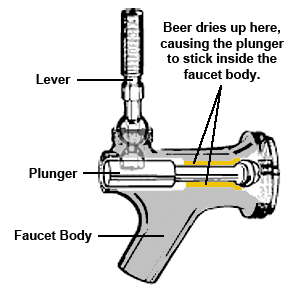 Beer has enough residual sugars in it that when the beer dries, those sugars can glue the faucet shut at the point of the seal. If it only sticks on the first use after an extended period of non-use (12+ hours), then that is most likely what is happening.
Aside from washers and gaskets, there are only 2 pieces that move inside the faucet: the lever and the plunger. The plunger is the sealing mechanism, and the lever is the part that moves forward and back to open and close the faucet. When you move the handle forward and back, you are moving the lever inside the faucet forward and back, which opens and closes the faucet. Sometimes these levers can break but continue to work (poorly), and sticking on every open and close could indicate a broken lever.
To inspect the faucet, first un-tap the keg, then put a glass under the faucet and open the faucet to relieve any pressure. Then, unscrew the thumb nut that attaches the faucet handle to the faucet body. This will expose the lever and let you inspect its condition.
Switching to a Perlick faucet is a good way to avoid a sticky faucet. The Perlick Perl Forward Sealing Stainless Steel Faucet features a revolutionary Perl ball and floating O-ring design which eliminates the need for a valve shaft.
The faucet is sealed near the spout end of the faucet, not at the rear like most other designs. Beer gets no exposure to air so there's literally no space for mold and bacteria to grow and less faucet area exposed to prevent the mechanism from jamming up. The Perl Faucet has fewer internal parts and is constructed of stainless steel for better reliability.