

 Single Faucet Kegerator Beer Dispensers
 Dual Faucet Two Tap Kegerators
 Triple Faucet Three Tap Kegerators
 Undercounter Built-In Kegerators
 Outdoor Kegerator Beer Dispensers
 ADA Kegerators
 Commercial Kegerators
 Mini Kegerators
 Cold Brew & Nitro Coffee Dispenser Kegerators
 Home Brew Kegerators
 Carbonated Water Kegerators
 15" Kegerators
 Kombucha Equipment
 Guinness® Dispensing Kegerators
 Wine Kegerators
 Kegerator Cabinets
 Kegerator Covers and Accessories
 Kegerators
 Kegerator Conversion Kits
 Kegs & Keg Accessories
 Beer Faucets
 Beer Shanks
 Draft Beer Towers
 Keg Taps Couplers
 Regulators & Gas Equipment
 Beer & Gas Line Hose
 Co2 and Nitrogen Air Tanks
 Beer Line Cleaning Equipment
 Drip Trays
 System Fittings
 Jockey Boxes
 Keg Beer Party Pumps
 Glassware
 Guinness® Dispensing Equipment
 Remote Glycol Systems
 Wine Cooler Refrigerators
 Wine Cellar Cabinets
 Wine Racks
 Cooling Units
 Wine Dispensing Systems
 Wine Accessories
 Wine Making
 Nitro Hot Draft System
 Ready to Drink Bag-in-a-Box Coffee Dispensing Equipment
 Nitrogen Infusers
 Nitrogen Tanks & Generators
 Nitrogen Beer Regulators
 Nitro Cold Brew Coffee Kegs
 Cold Brewed Coffee Tools
 Cleaning Equipment
 Outdoor Appliances
 ADA Appliances
 Panel Ready Appliances
 Commercial Grade Appliances
 Beverage Centers
 Refrigerators
 Drawer Refrigerators
 Ice Makers
 Water Dispensers & Accessories
 Freezers
 Home Brew Equipment Kits
 Fermentation Equipment
 Boiling and Mashing Equipment
 Home Brew Beer Kegs
 Home Brew Kegerator Conversion Kits
 Brewing Tools
 Home Brew Ingredients
 Cleaning Chemicals
 Test Equipment
 Home Brew Beer Bottles and Bottling Equipment
 Brewery Fittings
 Draft Beer Equipment
 Homebrewing Equipment
 Wine Equipment
 Luxury Appliances and Refrigeration
 Coffee Equipment
 Kombucha
 The Beverage Blog
 Frequently Asked Beer Questions
 Shop by Brand
 Shop by Category


May 19, 2025
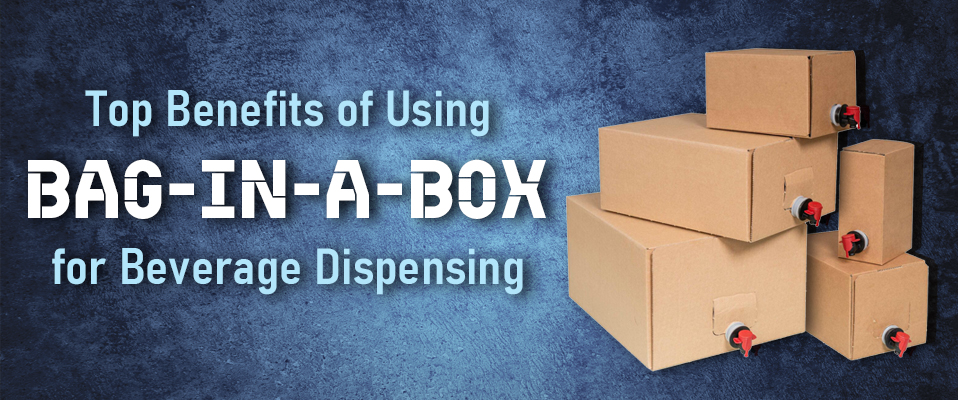
Introduction: Why Bag-in-a-Box Is Transforming Beverage Dispensing
In the fast-paced world of beverage service, operators are constantly searching for solutions that reduce costs, increase efficiency, and improve sustainability. That's why Bag-in-a-Box (BIB) systems are gaining popularity across cafés, quick-serve restaurants, hotels, and convenience retail.
Originally popularized in the soft drink and juice industries, BIB systems are now a go-to option for dispensing cold brew coffee, cocktails, teas, syrups, and more. With fewer moving parts, lower handling costs, and less waste, BIB offers a practical alternative to traditional keg systems.
In this article, we'll explore the top benefits of switching to BIB dispensing. If you're considering optimizing your beverage program, read on to discover why Bag-in-a-Box might be your next best move.
- 1.What Is Bag-in-a-Box (BIB)?
- 2. BIB vs. Traditional Kegs: Pros and Cons
- 3. Types of BIB Connectors and Compatibility
- 4. Common Bag-in-a-Box Types, Sizes, and Storage Guidelines
- 5. What Beverages Work Best in BIB Format
- 6. How to Convert a Kegerator to a BIB Dispensing System
- 7. Key Benefits of Switching to BIB
- 8. Who Should Use BIB Beverage Dispensing?
- Final Thoughts: Is BIB Right for You?
1. What Is Bag-in-a-Box (BIB)?
A Bag-in-a-Box system is a packaging and dispensing format that includes a sealed, flexible plastic bag housed inside a durable corrugated cardboard box. The bag holds the liquid beverage, while a built-in dispensing valve or connector allows for easy extraction.
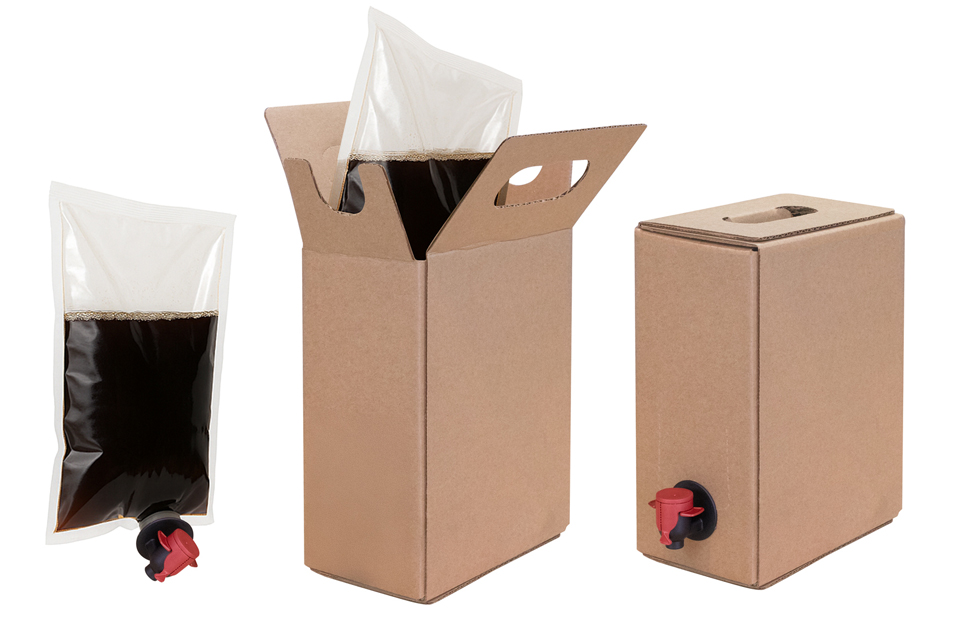
The system is air-tight, tamper-evident, and designed for quick connection to compatible pumps or dispensing equipment. It eliminates the need for pressurization using CO₂, and because the container is disposable, there's no need for sanitizing and reusing.
BIB has been widely used for fountain soda and juice, but it's now emerging as a top choice for cold brew, cocktails, nitro coffee, and even wine, thanks to its lightweight, stackable design and clean-pour functionality.
BIB vs. Traditional Kegs: Pros and Cons
When comparing Bag-in-a-Box to traditional steel kegs, several operational and financial factors come into play:
Pros of BIB Over Kegs:
- Lightweight and easier to handle-no special lifting equipment needed.
- Stackable and space-efficient, perfect for back-of-house storage.
- No cleaning or sanitization required-just replace and recycle.
- No keg returns or deposits to manage.
- Lower shipping costs due to reduced weight and volume.
- Simplified logistics-especially for multi-location operators.
Potential Drawbacks:
- Shelf life can be shorter once opened (depending on product and storage).
- Some beverages still perform better under pressure (like carbonated beer).
- May require a conversion kit if switching from a keg system.
However, for many operations-especially those offering coffee, cocktails, and non-carbonated drinks-the benefits of BIB clearly outweigh the limitations.
Types of BIB Connectors and Compatibility
Bag-in-a-Box connectors come in several types, each suited to specific beverage types and dispensing environments. Choosing the right connector ensures compatibility with your equipment, maintains sanitary standards, and supports consistent flow. Below is a comparison of the three most common BIB connector types and recommendations for their best use:
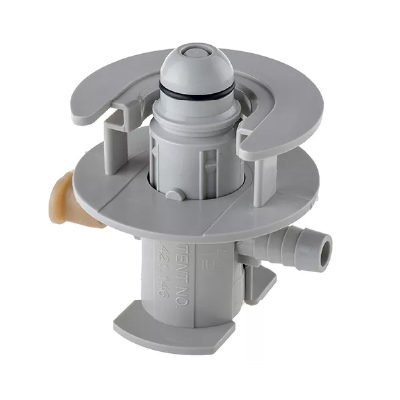
QCD (Quick Connect/Disconnect)
Best For:
- High-volume commercial soda fountains
- Fast food chains, quick-service restaurants (QSRs)
- Frequent flavor or bag swaps
Advantages:
- Snap-in design for fast changes
- Widely supported by U.S. equipment
- Durable for high-throughput
When to Use: Ideal for fast-paced restaurants, cafeterias, or convenience stores where minimizing downtime is key.
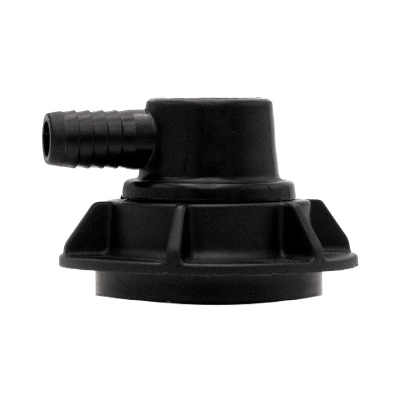
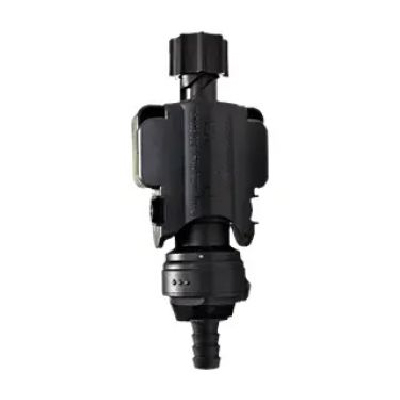
Connector Summary:
Connector Type Comparison Table
| Connector Type | Best Used For | Recommended Environment | Special Feature |
|---|---|---|---|
| QCD | Soda, carbonated drinks | Fast food, high-volume restaurants | Fast swaps, U.S. standard |
| Scholle | Juice, dairy | Health cafés, juice bars | High hygiene, pressurized use |
| Vitop® | Wine, cold brew | Specialty cafés, tasting rooms | Oxygen protection, twist-lock |
Pro Tip:
When selecting BIB products or updating your kegerator for BIB compatibility, make sure your dispensing system has the correct adapter or pump for the connector type. Using universal connectors may work temporarily but can reduce dispensing efficiency or void warranties over time.
Common Bag-in-a-Box Types, Sizes, and Storage Guidelines
Bag-in-a-Box packaging comes in different formats and sizes depending on beverage type and service requirements. Understanding the distinctions between Ready-to-Drink (RTD) and Concentrate types is essential for proper storage and cost efficiency.
Ready-to-Drink (RTD) BIBs
- Examples: Cold brew coffee, iced tea, pre-mixed cocktails, juice
- Storage Requirements: Often require refrigeration (especially dairy or fresh juice), both before and after opening
- Shelf Life: Typically 3-6 months unopened; 1-2 weeks after opening if refrigerated
- Use Case: Ideal for venues with lower drink volume or specialty offerings
RTD BIBs are convenient because they do not require mixing, which reduces preparation time. However, they typically have a shorter shelf life and higher storage cost due to refrigeration needs.
Concentrate BIBs
- Examples: Soda syrups, juice concentrate, energy drink base
- Storage Requirements: Typically shelf-stable at room temperature; refrigeration not needed until mixed
- Shelf Life: Often 6-12 months unopened; 3-4 weeks once connected to a dispenser
- Use Case: Best for high-volume setups like restaurants and convenience stores where syrup is mixed on-demand
Concentrates offer significant cost savings and require less storage space per serving. They also allow for easy flavor rotation and high customization.
Common Sizes
- 1.5 Gallon (5.7 L) - Great for small cafés, test products, or limited-use items
- 3 Gallon (11.4 L) - Often used in office breakrooms and small restaurants
- 5 Gallon (18.9 L) - The most common size for fountain beverage syrups and large-volume applications
- 10 Gallon (37.8 L) - Used in high-volume commercial setups like fast food or convenience stores
General Storage Tips:
- Temperature: Match the storage condition to the beverage type-refrigerate if RTD or dairy-based
- Positioning: Always store BIBs with the dispenser outlet facing downward
- Rotation: Use FIFO (First-In, First-Out) to maintain freshness and reduce waste
- Stacking: Avoid over-stacking to prevent damaging the internal bag
Proper storage not only maintains beverage quality but also extends the shelf life of the product. Selecting the right BIB type and managing it correctly ensures smooth operations, consistent flavor, and reduced waste.
What Beverages Work Best in BIB Format
Bag-in-a-Box (BIB) systems are incredibly versatile, and their growing adoption across beverage categories speaks to their efficiency, shelf-life benefits, and operational ease. While BIB technology started with soda syrup, it's now being used for an increasingly wide range of beverage types. Below are some of the most common and best-suited beverages for BIB packaging and dispensing:
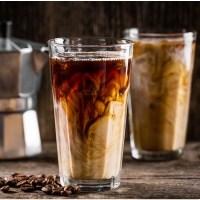
Cold Brew Coffee (Flat or Nitro)
Cold brew coffee is a natural fit for BIB systems. The packaging keeps oxygen exposure minimal, helping to maintain smooth flavor and prevent bitterness. Whether it's flat or infused with nitrogen (for a creamy, stout-like texture), BIB allows for easy transport and minimal cleanup.
- Benefits: Fresh taste retention, minimal oxidation, reduced keg handling
- Best Use: Cafés, offices, co-working spaces, and events
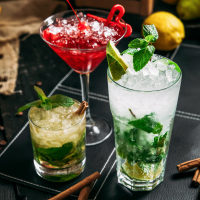
Cocktails and Ready-to-Drink (RTD) Beverages
Pre-mixed cocktails and other RTD alcoholic beverages are gaining traction in the BIB format, especially for high-volume hospitality venues. These BIBs ensure consistent pours, eliminate bartending labor, and reduce the risk of spoilage or over-pouring.
- Benefits: Labor savings, consistent flavor, faster service
- Best Use: Stadiums, bars, festivals, cruise lines
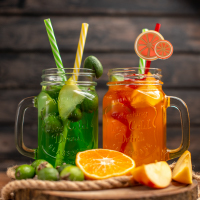
Juices, Teas and Syrups
Both concentrate and ready-to-drink formats of juices and teas are widely used in BIB form. BIB preserves the integrity of natural beverages, while syrups in BIB are ideal for flavoring sodas or creating custom drinks on the fly.
- Benefits: Long shelf life, sanitary dispensing, easy flavor rotation
- Best Use: Breakfast buffets, schools, hotels, restaurants
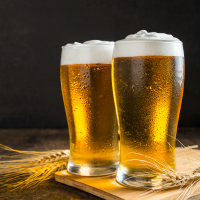
Beer Concentrate (Emerging Use)
While not yet widespread, beer concentrate is an experimental category that shows promise, particularly for venues with limited storage or remote distribution. The concentrate is mixed with carbonated water at the point of dispensing.
- Benefits: Major shipping and storage savingse
- Best Use: Remote locations, pop-up events, international markets
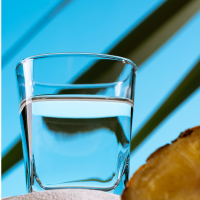
Water and Flavored Waters
Flavored waters and still water can be easily dispensed through BIB systems, especially in environments where sustainability and cost-efficiency are priorities. Flavored concentrates can be mixed with still or sparkling water to reduce inventory and plastic waste.
- Benefits: Lower packaging waste, customizable flavors, eco-friendly
- Best Use: Offices, gyms, schools, hospitality lounges
How to Convert a Kegerator to a BIB Dispensing System
Upgrading your existing kegerator to support Bag-in-a-Box dispensing can be a smart move, especially if you're looking to diversify beverage offerings or reduce operational complexity. Here's how to approach the conversion:
Key Components for BIB Conversion
To convert a kegerator for BIB use, you'll typically need the following parts:
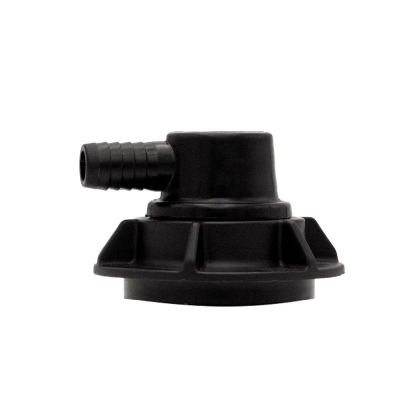
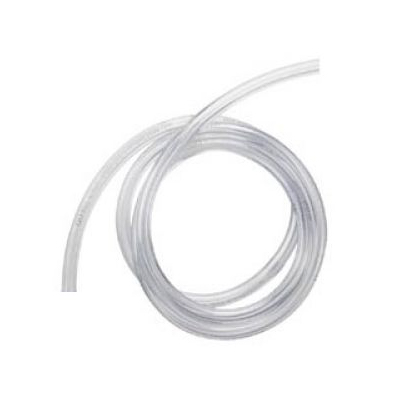
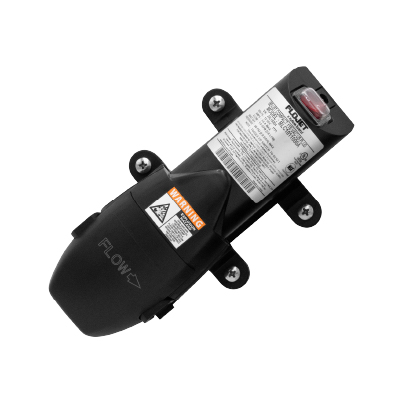
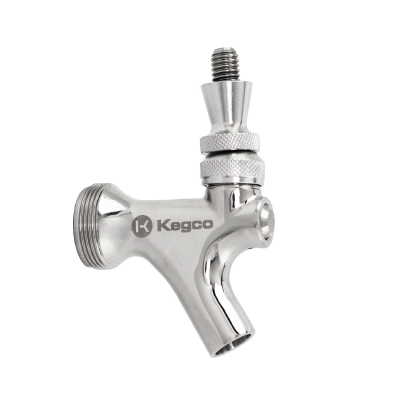
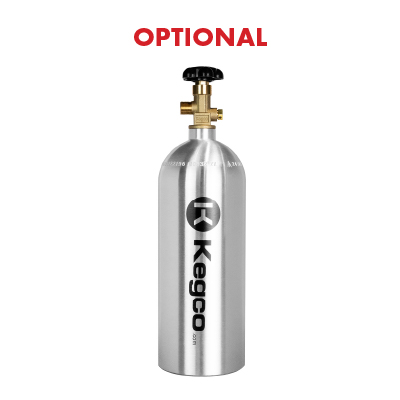
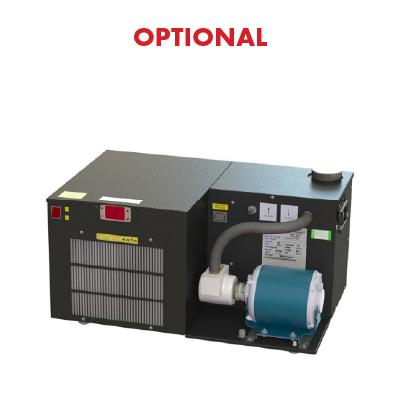
Beverage Factory offers a wide selection of ready-to-use Bag-in-Box (BIB) Kegerators and exclusive BIB conversion kits. Whether you're upgrading an existing setup or starting fresh, our commercial-grade solutions make it easy to serve juices, syrups, cold brew, and more-quickly, cleanly, and efficiently.
Pressure-Free vs. Pump-Assisted Flow
Bag-in-a-Box systems typically rely on gravity or pump-driven mechanisms rather than pressure like kegs. Depending on your beverage type and dispensing height:
- Gravity-fed systems may work for countertop or low-volume setups
- Pump-assisted systems are better for longer runs or thicker liquids (like cold brew concentrate or syrups)
Peristaltic pumps and bag-in-box syrup pumps are popular choices. These preserve beverage integrity without introducing air or CO2.
Add-On Accessories
If your system supports carbonated beverages, a CO2 line can still be useful to maintain fizz post-dispense (after the BIB is mixed). For cold drinks, ensure the system maintains proper temperature either through the kegerator unit or with a cold plate for point-of-use chilling.
Key Benefits of Switching to BIB
Switching to a Bag-in-a-Box beverage system brings multiple advantages for commercial operators. These benefits make BIB a compelling alternative to traditional beverage dispensing formats like kegs or bottles:
Lower Weight = Easier Handling
BIBs are significantly lighter than kegs or cases of bottled beverages, making them easier to transport, lift, and store without specialized equipment.
Reduced Beverage Waste
The collapsing design of the internal bag prevents air from entering the package, minimizing oxidation and spoilage. This results in less product waste and more consistent quality.
Space-Saving and Stackable
The rectangular box shape allows for efficient use of storage space. BIBs are easier to stack and organize than round kegs or bulky cases.
Consistent Portion Control
BIB systems work well with automated dispensers, delivering the same volume with each pour. This precision helps reduce over-pouring and maintains product consistency.
Faster Change-Outs
Replacing a BIB requires less effort and time compared to cleaning and reconnecting a keg. Staff can perform change-outs quickly without disrupting service.
No Cleaning or Sanitizing of Tanks
Because the beverage is always contained within a sealed disposable bag, there's no need to clean internal tanks between uses. This reduces labor and contamination risks.
These benefits translate into operational efficiency, cost savings, and improved product consistency-making Bag-in-a-Box a strategic choice for many beverage service businesses.
Who Should Use BIB Beverage Dispensing?
Bag-in-a-Box dispensing systems are ideal for a wide variety of businesses and service environments. Whether your operation handles a few dozen or hundreds of beverage servings daily, the BIB format can help streamline operations and reduce costs.
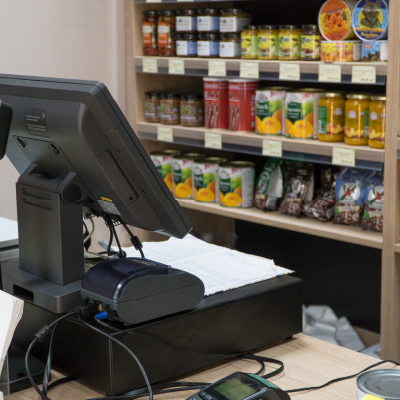
Mini-Markets and C-Stores
BIB beverages are great for compact spaces, offering quick installation and minimal maintenance. They're a smart option for juice, iced tea, or flavored water dispensers with limited footprint.

Office Coffee and Beverage Service Providers
With BIB, office breakrooms can offer everything from cold brew coffee to flavored waters without the hassle of bottled delivery or keg servicing. It also enables touchless or portion-controlled systems for hygiene.
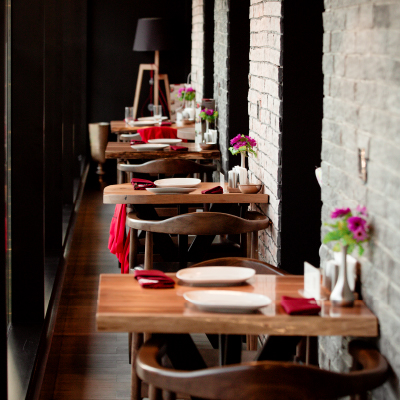
Restaurants and Cafés
From juice and iced tea to pre-mixed cocktails and cold brew, BIB makes it easy to maintain consistent quality with less waste. Quick change-outs keep service moving during peak times.
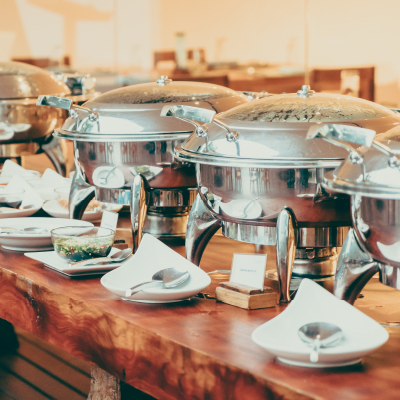
Event Catering Companies
Caterers benefit from the portability and ease of setup. Pre-batched cocktails, teas, or juices in BIB allow for fast, hygienic service without extra equipment.

Hotel and Airport Lounges
These spaces often require 24/7 beverage access with minimal staff. BIB dispensing provides reliable, easy-to-manage service for coffee, juice, and water stations.
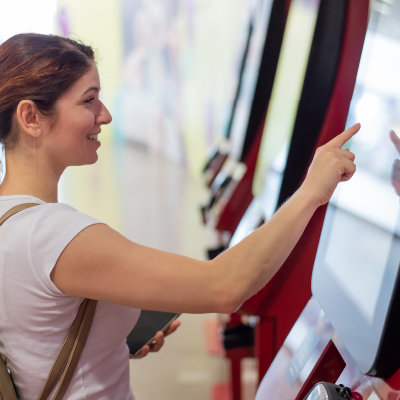
Foodservice Kiosks and Pop-Ups
For locations with limited infrastructure, BIB enables simple beverage service without the need for plumbing, cleaning tanks, or heavy refrigeration.
If you serve more than 30 drinks per day, BIB might save you time and money.
Whether you run a high-volume commercial operation or a small self-serve station, there's a BIB solution that can make your beverage program more efficient and profitable.
Final Thoughts: Is BIB Right for You?
Bag-in-a-Box beverage dispensing offers compelling advantages, but is it right for your operation? Use this quick checklist to decide:
BIB Suitability Checklist:
- Do you serve more than 30 beverages per day?
- Do you need to minimize product waste and cleanup time?
- Is space a premium in your storage or service area?
- Would faster beverage change-outs improve your workflow?
- Do you need consistent portion control and minimal manual labor?
- Are you looking to reduce shipping, handling, and packaging costs?
If you answered "yes" to most of these, then switching to BIB may significantly improve your beverage service.
Explore our full range of BIB-compatible beverage equipment and contact a specialist today by phone 800.710.9939 or email sales@beveragefactory.com to find the perfect system for your needs.
Whether you're ready to upgrade now or just beginning to explore, our team can guide you toward the most efficient, cost-effective BIB solution.