

 Single Faucet Kegerator Beer Dispensers
 Dual Faucet Two Tap Kegerators
 Triple Faucet Three Tap Kegerators
 Undercounter Built-In Kegerators
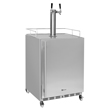 Outdoor Kegerator Beer Dispensers
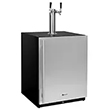 ADA Kegerators
 Commercial Kegerators
 Mini Kegerators
 Cold Brew & Nitro Coffee Dispenser Kegerators
 Home Brew Kegerators
 Carbonated Water Kegerators
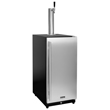 15" Kegerators
 Kombucha Equipment
 Guinness® Dispensing Kegerators
 Wine Kegerators
 Kegerator Cabinets
 Kegerator Covers and Accessories
 Kegerators
 Kegerator Conversion Kits
 Kegs & Keg Accessories
 Beer Faucets
 Beer Shanks
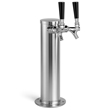 Draft Beer Towers
 Keg Taps Couplers
 Regulators & Gas Equipment
 Beer & Gas Line Hose
 Co2 and Nitrogen Air Tanks
 Beer Line Cleaning Equipment
 Drip Trays
 System Fittings
 Jockey Boxes
 Keg Beer Party Pumps
 Glassware
 Guinness® Dispensing Equipment
 Remote Glycol Systems
 Wine Cooler Refrigerators
 Wine Cellar Cabinets
 Wine Racks
 Cooling Units
 Wine Dispensing Systems
 Wine Accessories
 Wine Making
 Nitro Hot Draft System
 Ready to Drink Bag-in-a-Box Coffee Dispensing Equipment
 Nitrogen Infusers
 Nitrogen Tanks & Generators
 Nitrogen Beer Regulators
 Nitro Cold Brew Coffee Kegs
 Cold Brewed Coffee Tools
 Cleaning Equipment
 Outdoor Appliances
 ADA Appliances
 Panel Ready Appliances
 Commercial Grade Appliances
 Beverage Centers
 Refrigerators
 Drawer Refrigerators
 Ice Makers
 Water Dispensers & Accessories
 Freezers
 Home Brew Equipment Kits
 Fermentation Equipment
 Boiling and Mashing Equipment
 Home Brew Beer Kegs
 Home Brew Kegerator Conversion Kits
 Brewing Tools
 Home Brew Ingredients
 Cleaning Chemicals
 Test Equipment
 Home Brew Beer Bottles and Bottling Equipment
 Brewery Fittings
 Draft Beer Equipment
 Homebrewing Equipment
 Wine Equipment
 Luxury Appliances and Refrigeration
 Coffee Equipment
 Kombucha
 The Beverage Blog
 Frequently Asked Beer Questions
 Shop by Brand
 Shop by Category


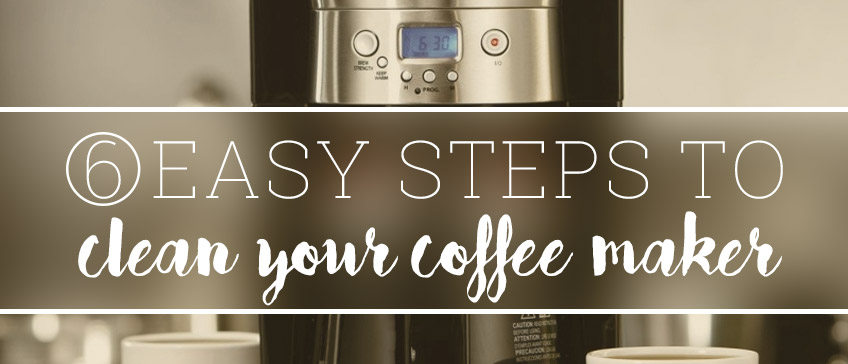
I've noticed that my coffee doesn't taste as good as it did when my coffee maker was brand new. Do I really need to buy a new one? How do I get the same flavorful coffee I used to get? Can I clean it?
Americans drink an average of three cups of coffee per day, making it a vital part of our daily routine. When making that perfect cup of coffee at home, you always use the tastiest coffee beans, the purest filtered water, and your very favorite coffee mug, but are you really doing everything you can to ensure the best tasting cup of coffee possible?
It might surprise you to learn that a 2011 NSF study found the kitchen to be the germiest place in the home, with more germs hiding in coffee maker reservoirs than on bathroom faucet handles, light switches, and even pet toys! Not only can improperly cleaned coffee makers harbor yeast and mold that might make you sick, but oily residues, hard-water deposits, and other impurities can build up over time to spoil your best efforts at a delicious cup o' joe.
By adding just a few simple steps to your coffee making routine, you can ensure that your daily cup of coffee gives you that extra pep in your step without any harmful germs or unpleasant tastes.
- After you've finished with your coffee, dump any remaining liquid out and clean the carafe with liquid coffee pot cleaner or soap and water. Not only can stuck-on coffee stain your carafe, but it can also leave behind residues that may affect the taste of your next brew.
- Remove your coffee maker's filter. If your coffee maker uses a permanent filter, dump out the grinds and wash it. If you coffee maker uses disposable filters, simply remove the filter and throw it away.
- You should remove the filter holder on a regular basis and rinse it off, as coffee grinds have a tendency to settle there.
- Wipe your coffee maker down with a wet rag. Pay special attention to the hot plate when it has cooled, as this area tends to accumulate coffee drips that can build up over time and lead to an unpleasant burning coffee smell.
- Depending on how hard your water is, your coffee maker should be decalcified every 1-3 months using a decalcifying agent or white vinegar and water in order to remove any mineral build-up.
- When using a white vinegar and water solution, fill the coffee maker's water chamber with equal parts white vinegar and water, then start a brew cycle. Turn off the coffee maker midway through the cycle and let it sit for an hour. After an hour, resume the brew cycle. Pour out the vinegar and water solution and then run a new brew cycle using only water. Repeat this water-only cycle two more times to fully rinse out your coffee maker, giving your coffee maker time to cool slightly in between brews.