

 Single Faucet Kegerator Beer Dispensers
 Dual Faucet Two Tap Kegerators
 Triple Faucet Three Tap Kegerators
 Undercounter Built-In Kegerators
 Outdoor Kegerator Beer Dispensers
 ADA Kegerators
 Commercial Kegerators
 Mini Kegerators
 Cold Brew & Nitro Coffee Dispenser Kegerators
 Home Brew Kegerators
 Carbonated Water Kegerators
 15" Kegerators
 Kombucha Equipment
 Guinness® Dispensing Kegerators
 Wine Kegerators
 Kegerator Cabinets
 Kegerator Covers and Accessories
 Kegerators
 Kegerator Conversion Kits
 Kegs & Keg Accessories
 Beer Faucets
 Beer Shanks
 Draft Beer Towers
 Keg Taps Couplers
 Regulators & Gas Equipment
 Beer & Gas Line Hose
 Co2 and Nitrogen Air Tanks
 Beer Line Cleaning Equipment
 Drip Trays
 System Fittings
 Jockey Boxes
 Keg Beer Party Pumps
 Glassware
 Guinness® Dispensing Equipment
 Remote Glycol Systems
 Wine Cooler Refrigerators
 Wine Cellar Cabinets
 Wine Racks
 Cooling Units
 Wine Dispensing Systems
 Wine Accessories
 Wine Making
 Nitro Hot Draft System
 Ready to Drink Bag-in-a-Box Coffee Dispensing Equipment
 Nitrogen Infusers
 Nitrogen Tanks & Generators
 Nitrogen Beer Regulators
 Nitro Cold Brew Coffee Kegs
 Cold Brewed Coffee Tools
 Cleaning Equipment
 Outdoor Appliances
 ADA Appliances
 Panel Ready Appliances
 Commercial Grade Appliances
 Beverage Centers
 Refrigerators
 Drawer Refrigerators
 Ice Makers
 Water Dispensers & Accessories
 Freezers
 Home Brew Equipment Kits
 Fermentation Equipment
 Boiling and Mashing Equipment
 Home Brew Beer Kegs
 Home Brew Kegerator Conversion Kits
 Brewing Tools
 Home Brew Ingredients
 Cleaning Chemicals
 Test Equipment
 Home Brew Beer Bottles and Bottling Equipment
 Brewery Fittings
 Draft Beer Equipment
 Homebrewing Equipment
 Wine Equipment
 Luxury Appliances and Refrigeration
 Coffee Equipment
 Kombucha
 The Beverage Blog
 Frequently Asked Beer Questions
 Shop by Brand
 Shop by Category


March 09, 2017
The cold brew coffee trend is taking over the industry and winning over the hearts of coffee lovers and non-coffee lovers, alike! With its well-rounded fruity notes and low acidity, it has become a popular coffee option but because of its special brewing method, coffee shops are charging a pretty penny for every cup.
While many coffee shops are picking up on this cold brew trend and started offering their coffee in 5-gallon kegs, you can easily make it yourself, giving you more control over the flavors and the finished result. Instead of breaking the bank to get your daily caffeine fix, brewing your own cold brew coffee means you won't waste time or money going on coffee runs.
If you run your own business, cold brew coffee dispensers are becoming increasingly popular in many workplaces because it offers immediate access to caffeine, limiting time wasted on brewing coffee, coffee runs, and overall lack of productivity. Providing cold brew coffee to offices has become increasingly easier and with how easy it is to brew, cold brew coffee is become a staple in breakrooms everywhere.
Cold brew coffee is not a new concept, people have been enjoying this tasty beverage for years. Coffee shops will often see sales soar as the temperature increases in the summer because of its refreshing taste, bold flavors, and versatility. Cold brew coffee is less acidic than hot coffee because of its long soaking time.
This process results in a brew that has some of the rounder, fruity notes that are not always noticed when brewed at high temperatures. Additionally, cold brew lacks the bitterness caused by mixing coffee grounds with hot water. Instead, the coffee comes out sweet and smooth, all while retaining the strength and caffeine of a traditional cup of coffee.
Another advantage of cold brew coffee is that it stays fresh for much longer than hot coffee, which goes stale as it cools down. With cold brew, you can have a keg on tap for a month without losing its flavor (not that it will last that long with everyone drinking it)!
Cold Brew Coffee in 5 Easy Steps
Ready to get brewing? The brewing process is very easy and doesn't require a lot of fancy equipment. Cold brew recipes typically have a ratio of 1 cup of water for every 1/2 cup of coffee grounds. We prefer a slightly different ratio and method, which we've broken down step-by-step for you.
Ingredients & Supplies
Here's what you'll need to make a big batch of cold brewed coffee:
- 15 cups coarsely ground coffee (approx. 2 1/2 - 1lb. bags of ground coffee)
- 4.25 Gallons of water (68 cups)
- Measuring Cup
- Mixing Spoon
- Large Glass Jar
- Cheese cloth or hop bag
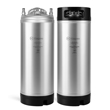
- Home Brew Ball Lock Keg
- Optional: Auto-siphon
Step 1: Grind & Measure Coffee
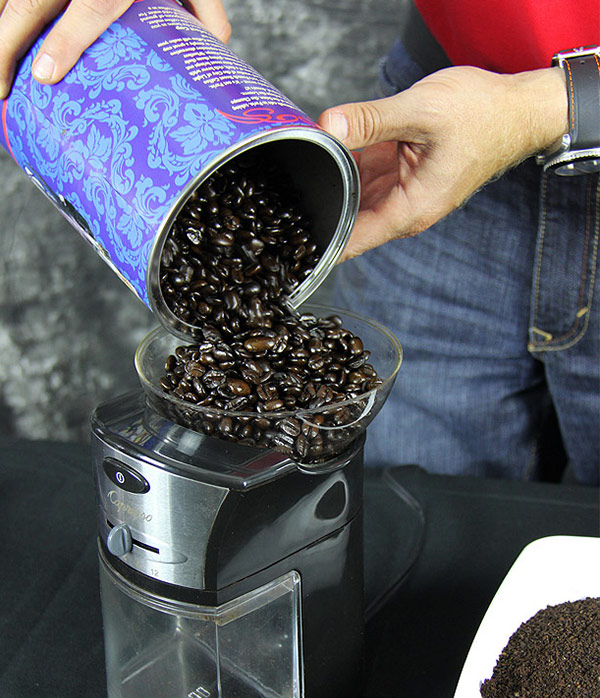
For cold brewing, you want a coarse grind on your coffee, the same type you would use for a French Press. We ground fresh beans in a Burr Grinder but you can also use pre-ground coffee. Since the volume of beans and grinds can vary, we recommend that you grind the beans first and then measure out the coffee for the recipe.
Step 2: Combine the Ingredients
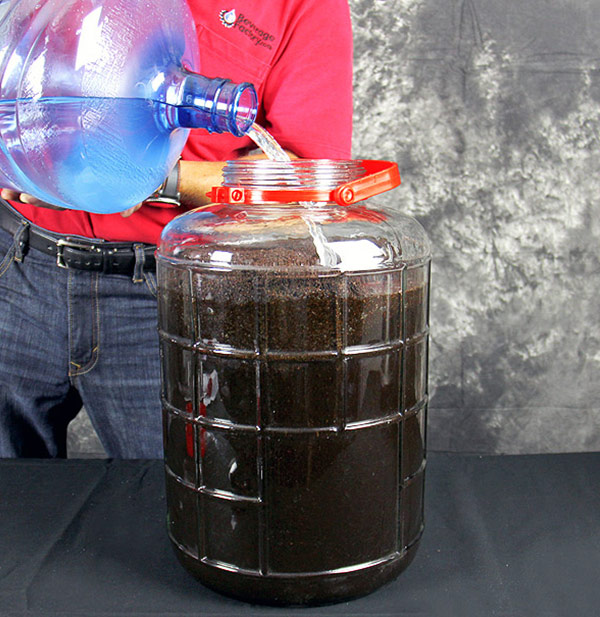
Add 15 or more cups of the coffee grounds to a large jar. We used the Kegco Wide Mouth Glass Carboy, which worked perfect for our needs as it allowed us to make a large batch but still have room to mix it all together and clean it out easily when done.
Pick the right size. Make sure to soak all of the grounds thoroughly.
Step 3: Stir & Cover
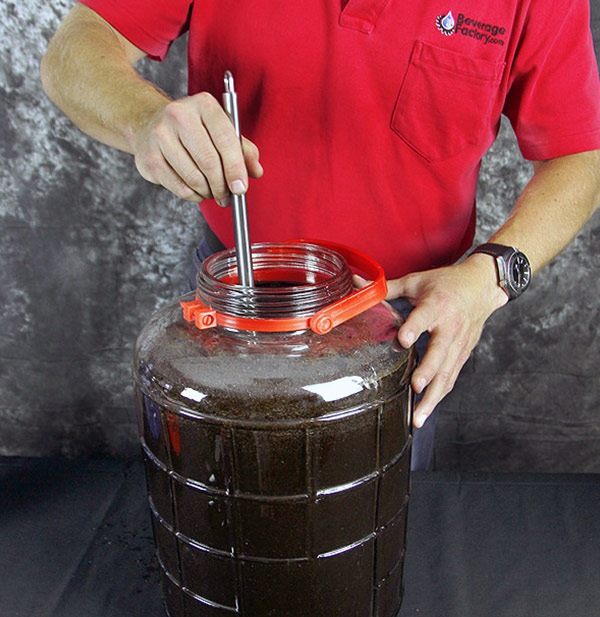
To make sure all the grounds are wet and submerged, use a long spoon to stir and mix your brew. We offer a selection of stirring spoons to suit this need. Replace the cap on the jar and let it brew.
It can be left on the counter at room temperature or it can brew in the fridge. Let it steep for 12 to 18 hours. There is no need for additional stirring at this point. Like drip coffee, the water will pass through the coffee ground and extract the flavors and aromas.
Step 4: Siphon or Strain into the Keg
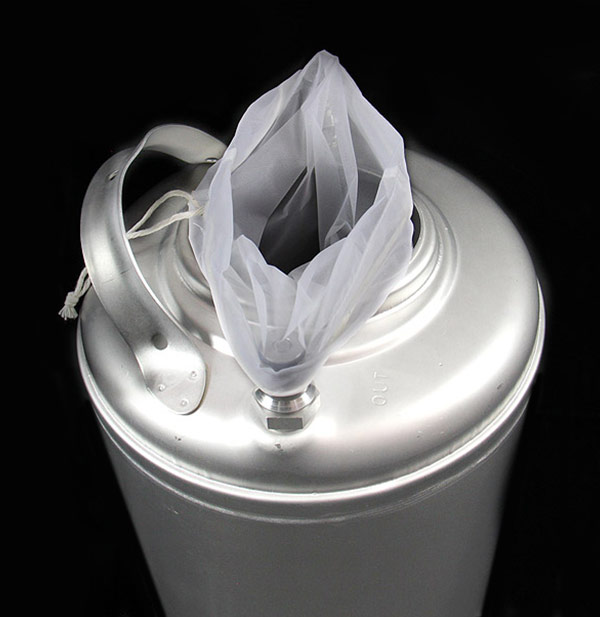
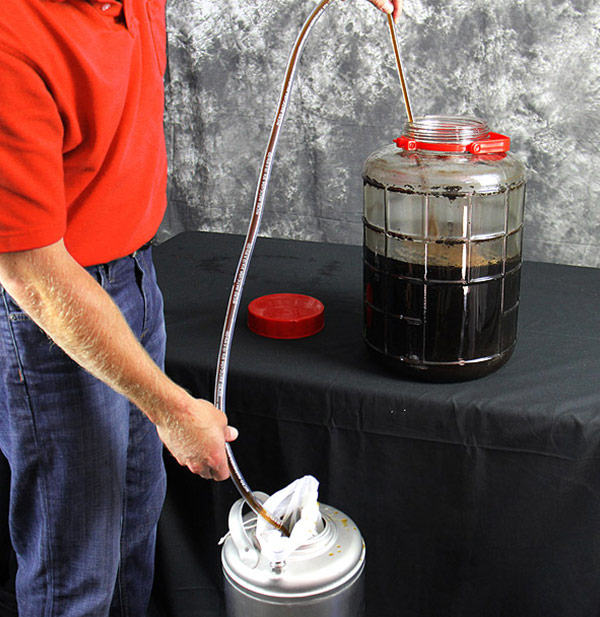
Next, you have to strain the coffee, which may seem like the trickiest part of the whole process but it's really pretty easy. You need to get the brewed coffee from the jar into the keg without any of the grounds. You can use a coffee filter, cheesecloth, or a fine-mesh sieve to pour the brew through.
We used a Nylon Hop Bag which easily covered the opening of the homebrew keg. If you're feeling strong and don't mind making a mess, you could just pour the contents of the jar through the hop bag and into the keg, but we used a 3/8" Auto Siphon to transfer half of the brew and then poured the last half after the majority of the weight was out of the jar.
The shoulder of the jar does a good job of trapping most of the grounds from coming out with the coffee and the hop bag caught the rest. It would be a good idea to have a bucket or trash can handy if you find that you need to empty the hop bag more than once. We didn't need to.
This mixture is considered cold brew concentrate, which will be strong and have a very intense flavor. Some people may want to dilute the coffee concentrate before drinking but we like it and feel that adding water will just make it taste like watered down coffee. Feel free to experiment with mixing in different syrups, kinds of milk, and creams to find the taste you like best.
Step 5: Dispense & Enjoy!
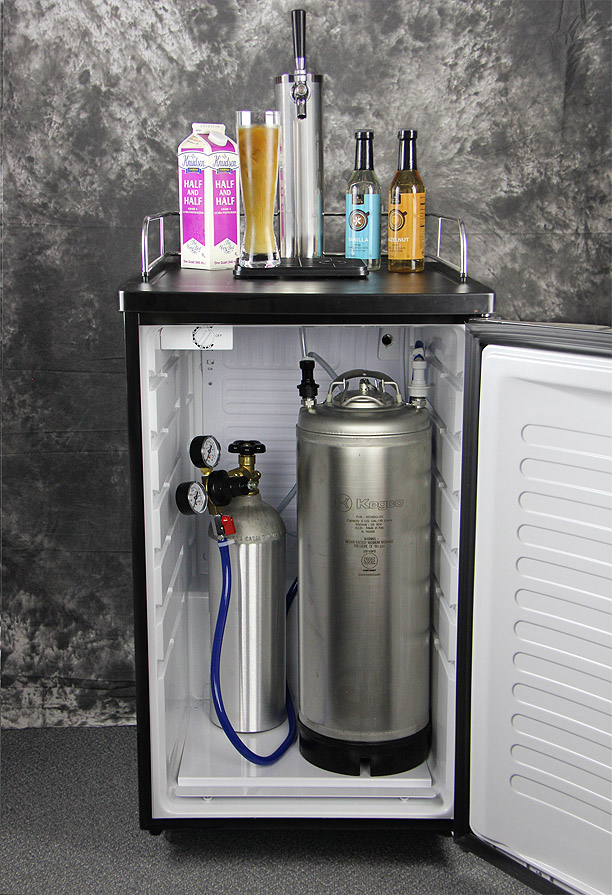
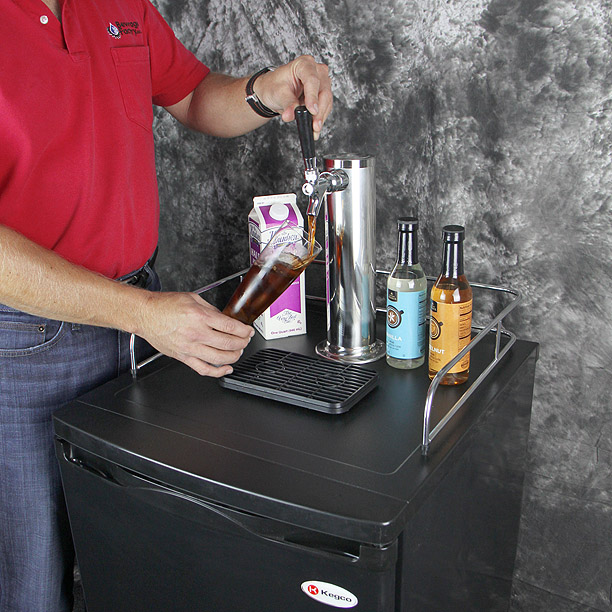
Now that you have your cold brewed coffee in a keg, it's time to dispense it. Kegco has introduced the Javarator, a mobile, easy-to-use cold brew coffee dispenser that makes having iced coffee on tap at home or the office not only possible but affordable as well. The Javarator comes with all stainless steel draft components and is equipped with a nitrogen tank, ensuring that you get a smooth finished product.
Nitrogen is preferred over CO₂ for serving coffee on tap because nitrogen is far less soluble than CO₂. Any liquid that remains under pressure from CO₂ for too long will eventually begin to carbonate, making the finished product fizzy and bubbly. Using nitrogen at low pressure allows your coffee to remain as it was brewed and keeps it fresh for up to a month, as a pressurized keg prevents oxygen exposure.
To streamline this process and avoid the need for bulky nitrogen tanks, many cafes and beverage service providers are now turning to nitrogen generators. These systems provide a consistent, on-demand nitrogen supply by extracting nitrogen from the ambient air-saving time, space, and recurring tank rental costs. Learn more about how nitrogen generators work and how to choose the right one in our Nitrogen Generators Guide.
Just install your keg in the Javarator, hook it up to the dispensing system with the ball lock keg couplers that are provided, set the output pressure on the regulator to 3-6 PSI and pour yourself a glass!
CONNECT WITH US!
@BeverageFactoryAdded to Cart
.....