Single Faucet Kegerator Beer Dispensers
 Dual Faucet Two Tap Kegerators
 Triple Faucet Three Tap Kegerators
 Undercounter Built-In Kegerators
 Outdoor Kegerator Beer Dispensers
 ADA Kegerators
 Commercial Kegerators
 Mini Kegerators
 Cold Brew & Nitro Coffee Dispenser Kegerators
 Home Brew Kegerators
 Carbonated Water Kegerators
 15" Kegerators
 Kombucha Equipment
 Guinness® Dispensing Kegerators
 Wine Kegerators
 Kegerator Cabinets
 Kegerator Covers and Accessories
 Kegerators
 Kegerator Conversion Kits
 Kegs & Keg Accessories
 Beer Faucets
 Beer Shanks
 Draft Beer Towers
 Keg Taps Couplers
 Regulators & Gas Equipment
 Beer & Gas Line Hose
 Co2 and Nitrogen Air Tanks
 Beer Line Cleaning Equipment
 Drip Trays
 System Fittings
 Jockey Boxes
 Keg Beer Party Pumps
 Glassware
 Guinness® Dispensing Equipment
 Remote Glycol Systems
 Wine Cooler Refrigerators
 Wine Cellar Cabinets
 Wine Racks
 Cooling Units
 Wine Dispensing Systems
 Wine Accessories
 Wine Making
 Nitro Hot Draft System
 Ready to Drink Bag-in-a-Box Coffee Dispensing Equipment
 Nitrogen Infusers
 Nitrogen Tanks & Generators
 Nitrogen Beer Regulators
 Nitro Cold Brew Coffee Kegs
 Cold Brewed Coffee Tools
 Cleaning Equipment
 Outdoor Appliances
 ADA Appliances
 Panel Ready Appliances
 Commercial Grade Appliances
 Beverage Centers
 Refrigerators
 Drawer Refrigerators
 Ice Makers
 Water Dispensers & Accessories
 Freezers
 Home Brew Equipment Kits
 Fermentation Equipment
 Boiling and Mashing Equipment
 Home Brew Beer Kegs
 Home Brew Kegerator Conversion Kits
 Brewing Tools
 Home Brew Ingredients
 Cleaning Chemicals
 Test Equipment
 Home Brew Beer Bottles and Bottling Equipment
 Brewery Fittings
 Draft Beer Equipment
 Homebrewing Equipment
 Wine Equipment
 Luxury Appliances and Refrigeration
 Coffee Equipment
 Kombucha
 The Beverage Blog
 Frequently Asked Beer Questions
 Shop by Brand
 Shop by Category


November 03, 2017
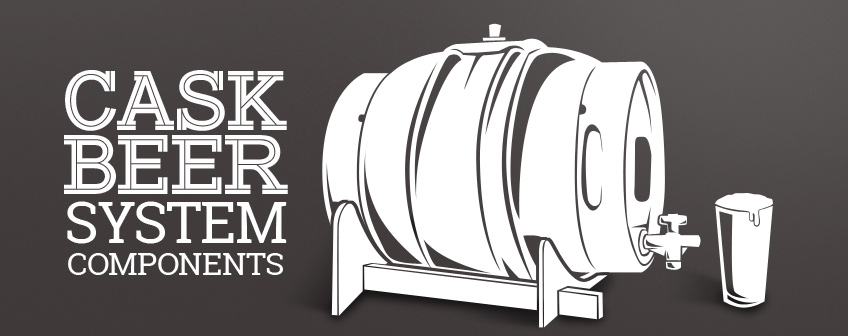
Cask-conditioned beer, also known as Real Ale, is beer that has gone through a second fermentation process, is unpasteurized and served from a cask keg with no added nitrogen or CO2. Instead, co2 builds up naturally in the cask during fermentation. Once it is fermented, it is then served straight from the cask. This gives it a distinct and incredibly fresh taste that has a much gentler level of carbonation and usually features a bit more complex flavor and aromatic profile. Cask kegs are best enjoyed over a day or two and are not intended for long term storage. They are ideal for local tastings and popular cask nights where they are expected to be emptied in one evening. In order to begin the brewing process, you will need a few different tools.
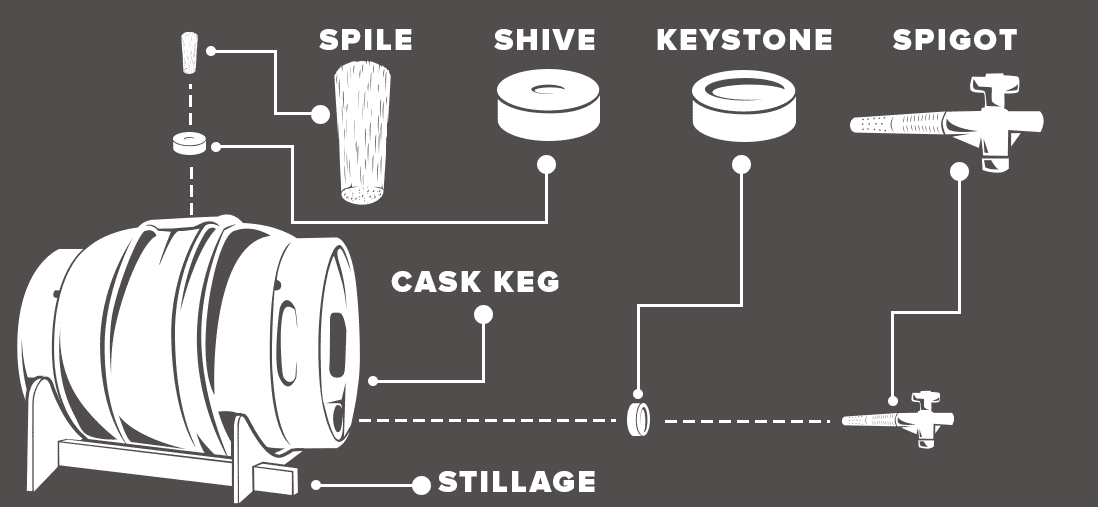
Cask
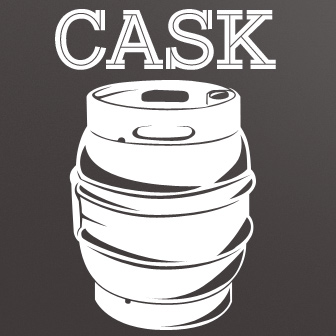
A cask, also known as a firkin (10.8 gallons) or a pin (5.4 gallons), is a traditionally barrel shaped container that stores and ferments beer. It has a 2 inch hole on the side for the shive (plug), and a one inch hole at the end for the keystone (where you tap the beer). Casks date back to the Iron Age, when the Celts developed wooden barrels with iron hoops to store goods. Over the years, this developed into a method of preserving and storing beer. A cask can be made of plastic or wood but typically it is made of stainless steel. This is the most important part of cask brewing, so if you need a cask, click here
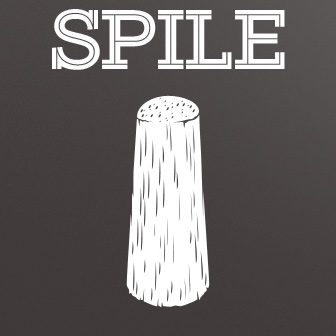
Spile
A spile is basically a small wooden peg that is nailed into the shive to stop the keg or "air" the keg. A hard spile is inserted into the keg after the conditioning process has ended in order to maintain carbonation levels. Once the beer is tapped the soft spile replaces the hard spile. A soft spile is inserted in order to release excess CO2. This allows for equalization prior to serving. Beverage factory offers both hard and soft spiles here.
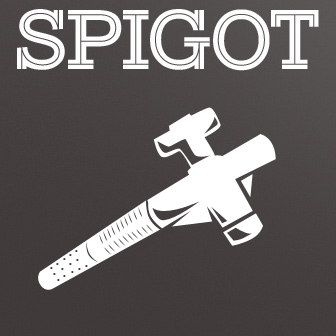
Spigot
This is the spout that is pounded into the keystone using a mallet in order to tap the beer. The beer then lets gravity take over to get the beer flowing. If you ever want to get the beer out of your cask, we have spigots available here.
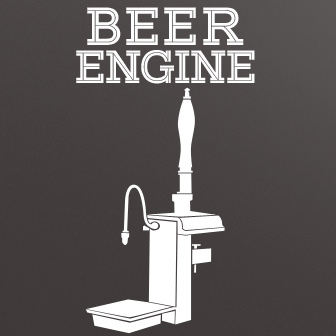
Beer engine
If you want to get fancy, you can pump directly from the cask using a beer engine. This directly draws up beer from the cask through a beer line. A cask ale hand pump is normally manually operated, but can also be gas or electrically operated. They normally hide under the bar counter with the handles sticking up. Most beer engines include a sparkler. This attaches to the nozzle and acts like a showerhead. When beer pours from it, it froths the beer and gives it a nice head.
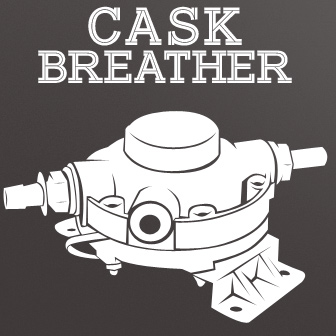
Cask Breather
The trouble with Cask brewing is sometimes you can't finish a whole cask of beer in 2 days before it spoils. A cask breather replaces head space with CO2 at atmospheric pressure, allowing you to extend the life of your cask ale. If you don't think you can finish a whole cask of beer within 2 days, cask breathers are available with our other cask ale supplies here.
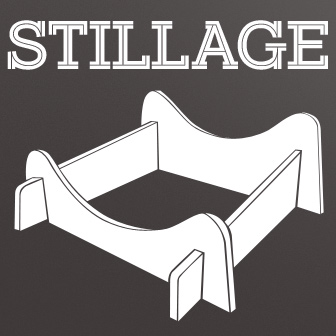
Stillage
The cask needs to stay absolutely still during the clearing process. During this process yeast and finings start sticking to the inside of the keg. If the keg is not kept absolutely still, it will dislodge this sediment from the sides of the cask and go into the beer. This clouds the beer and as every brewer knows, cask beer is not supposed to be cloudy. This is where the stillage comes in. A stillage keeps the cask keg still and is also angled to make pouring and dispensing easier. This is incredibly important in the cask keg dispensing and brewing process. If you need a stillage they are available right here.