

 Single Faucet Kegerator Beer Dispensers
 Dual Faucet Two Tap Kegerators
 Triple Faucet Three Tap Kegerators
 Undercounter Built-In Kegerators
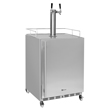 Outdoor Kegerator Beer Dispensers
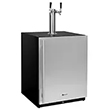 ADA Kegerators
 Commercial Kegerators
 Mini Kegerators
 Cold Brew & Nitro Coffee Dispenser Kegerators
 Home Brew Kegerators
 Carbonated Water Kegerators
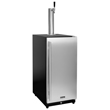 15" Kegerators
 Kombucha Equipment
 Guinness® Dispensing Kegerators
 Wine Kegerators
 Kegerator Cabinets
 Kegerator Covers and Accessories
 Kegerators
 Kegerator Conversion Kits
 Kegs & Keg Accessories
 Beer Faucets
 Beer Shanks
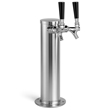 Draft Beer Towers
 Keg Taps Couplers
 Regulators & Gas Equipment
 Beer & Gas Line Hose
 Co2 and Nitrogen Air Tanks
 Beer Line Cleaning Equipment
 Drip Trays
 System Fittings
 Jockey Boxes
 Keg Beer Party Pumps
 Glassware
 Guinness® Dispensing Equipment
 Remote Glycol Systems
 Wine Cooler Refrigerators
 Wine Cellar Cabinets
 Wine Racks
 Cooling Units
 Wine Dispensing Systems
 Wine Accessories
 Wine Making
 Nitro Hot Draft System
 Ready to Drink Bag-in-a-Box Coffee Dispensing Equipment
 Nitrogen Infusers
 Nitrogen Tanks & Generators
 Nitrogen Beer Regulators
 Nitro Cold Brew Coffee Kegs
 Cold Brewed Coffee Tools
 Cleaning Equipment
 Outdoor Appliances
 ADA Appliances
 Panel Ready Appliances
 Commercial Grade Appliances
 Beverage Centers
 Refrigerators
 Drawer Refrigerators
 Ice Makers
 Water Dispensers & Accessories
 Freezers
 Home Brew Equipment Kits
 Fermentation Equipment
 Boiling and Mashing Equipment
 Home Brew Beer Kegs
 Home Brew Kegerator Conversion Kits
 Brewing Tools
 Home Brew Ingredients
 Cleaning Chemicals
 Test Equipment
 Home Brew Beer Bottles and Bottling Equipment
 Brewery Fittings
 Draft Beer Equipment
 Homebrewing Equipment
 Wine Equipment
 Luxury Appliances and Refrigeration
 Coffee Equipment
 Kombucha
 The Beverage Blog
 Frequently Asked Beer Questions
 Shop by Brand
 Shop by Category


What is a yeast starter, and why should I use it?
A yeast starter is used to maximize the consistency, viability, and volume of your yeast cultures for fermentation. We create the starter by mimicking the initial steps of the brewing process. First we create a micro batch of beer then harvest the desired yeast cultures after a short fermentation period.
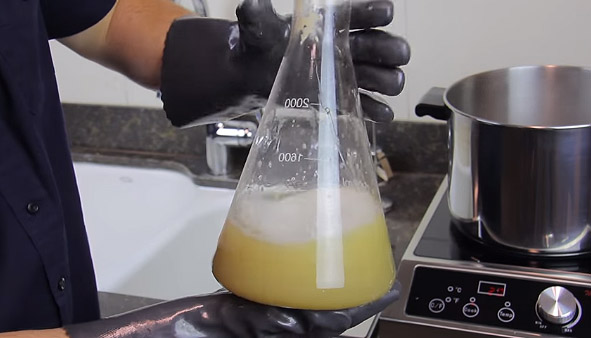
We suggest using an Erlenmeyer flask, as it is made with Borosilicate glass and will not be affected by rapid changes in temperature. To heat the flask, we use the double boiler method. In this method, fill a pot with 2 inches of water and place on the burner. Then, add 1 liter of water to the flask and place the flask in the pot. The boiling water in the pot will heat the contents of the flask without them being directly exposed to the heat source. Then, quickly Remove the flask from the heat once the water reaches a boil.
The Next Step
Measure out about 1/2 a cup (approximately 4 oz.) of Dry Male Extract and add it to the flask, followed by the suggested amount of yeast nutrient as recommended by the manufacturer. Carefully and firmly swirl the flask before returning it to the pot. This should produce a starter with a specific gravity of 1.040.
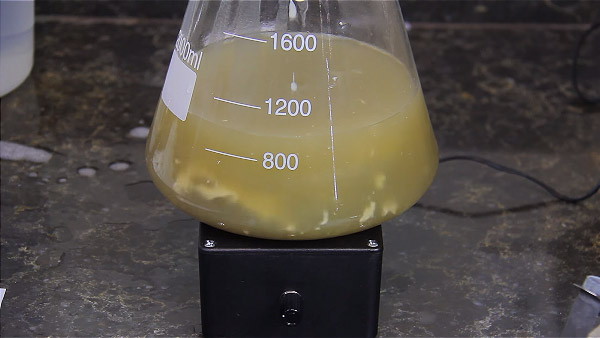
Lastly, Set a timer and boil your wort for 10 minutes. Use this time to prepare an ice bath for the next step. At the conclusion of the 10-minute boil, cover the spout of the flask with aluminum foil to keep out unwanted organisms. Then, place the flask in the ice bath to cool until it reaches ~75°. At this point, it is time to place the flask on a stir plate so that the wort can be continually stirred. Use the sanitized scissors to cut open the yeast packet and pitch it to your flask. Stirring will keep the yeast in suspension and in constant contact with nutrients while ridding carbon dioxide which inhibits yeast growth.
There are two common options for completing your starter.
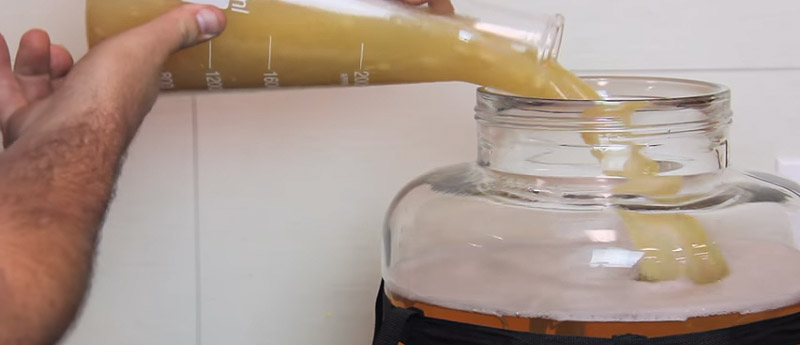
Method 1 (12-18 hours fermentation)
In this method, once the fermentation process is complete, simply stir and pitch the entire contents of the flask into your fermenter.
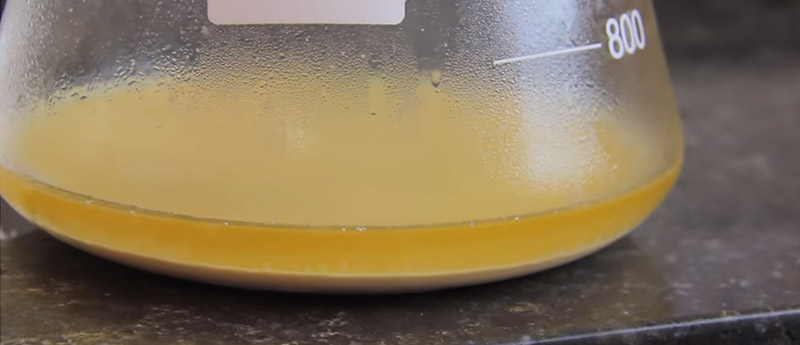
Method 2 (18-36 hours fermentation)
This involves a bit more finesse and is used when you would want your beer to turn out cleaner. In this method, cold crash the flask for 18-36 hours, watching for distinct separation to occur and a large "yeast cake" to appear at the bottom of the flask. When the process is complete, use a sanitized siphon to remove the majority of the wort from your flask. Then use the remaining wort above the cake to stir and mix the contents before pitching to your fermenter. This method cuts down on excess/different wort being added to your brew, while maximizing the yeast cultures gathered.
More Tips
This might be your next helpful article!
The overwhelming majority of sources support the claim that using a yeast starter adds an invaluable step to your process. We've also had similar results and expect you will too. Cheers!