

 Single Faucet Kegerator Beer Dispensers
 Dual Faucet Two Tap Kegerators
 Triple Faucet Three Tap Kegerators
 Undercounter Built-In Kegerators
 Outdoor Kegerator Beer Dispensers
 ADA Kegerators
 Commercial Kegerators
 Mini Kegerators
 Cold Brew & Nitro Coffee Dispenser Kegerators
 Home Brew Kegerators
 Carbonated Water Kegerators
 15" Kegerators
 Kombucha Equipment
 Guinness® Dispensing Kegerators
 Wine Kegerators
 Kegerator Cabinets
 Kegerator Covers and Accessories
 Kegerators
 Kegerator Conversion Kits
 Kegs & Keg Accessories
 Beer Faucets
 Beer Shanks
 Draft Beer Towers
 Keg Taps Couplers
 Regulators & Gas Equipment
 Beer & Gas Line Hose
 Co2 and Nitrogen Air Tanks
 Beer Line Cleaning Equipment
 Drip Trays
 System Fittings
 Jockey Boxes
 Keg Beer Party Pumps
 Glassware
 Guinness® Dispensing Equipment
 Remote Glycol Systems
 Wine Cooler Refrigerators
 Wine Cellar Cabinets
 Wine Racks
 Cooling Units
 Wine Dispensing Systems
 Wine Accessories
 Wine Making
 Nitro Hot Draft System
 Ready to Drink Bag-in-a-Box Coffee Dispensing Equipment
 Nitrogen Infusers
 Nitrogen Tanks & Generators
 Nitrogen Beer Regulators
 Nitro Cold Brew Coffee Kegs
 Cold Brewed Coffee Tools
 Cleaning Equipment
 Outdoor Appliances
 ADA Appliances
 Panel Ready Appliances
 Commercial Grade Appliances
 Beverage Centers
 Refrigerators
 Drawer Refrigerators
 Ice Makers
 Water Dispensers & Accessories
 Freezers
 Home Brew Equipment Kits
 Fermentation Equipment
 Boiling and Mashing Equipment
 Home Brew Beer Kegs
 Home Brew Kegerator Conversion Kits
 Brewing Tools
 Home Brew Ingredients
 Cleaning Chemicals
 Test Equipment
 Home Brew Beer Bottles and Bottling Equipment
 Brewery Fittings
 Draft Beer Equipment
 Homebrewing Equipment
 Wine Equipment
 Luxury Appliances and Refrigeration
 Coffee Equipment
 Kombucha
 The Beverage Blog
 Frequently Asked Beer Questions
 Shop by Brand
 Shop by Category


October 07, 2017
Have you ever wondered how long will wine keep once it's been opened? One answer would be It depends on how fast you can drink it!
You are most likely asking because you have opened a bottle that you are not planning on finishing the same day and want to know how long it will stay good after it's been opened. The answer to that question depends on a few factors, such as what type of wine you are referring to and how you will be storing it after you have opened it. Some wines last longer than others and the shelf life can be extended with wine preservation products and proper storage techniques.
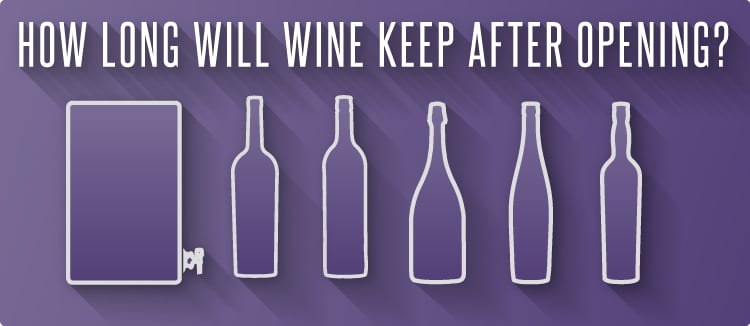
First, we'll cover a little bit of what makes wine go bad. Oxidation is wine's worst enemy. Exposure to oxygen will lead to wine losing it's flavor, giving it an unpleasant taste and a vinegar-like smell. Oxygen raises the levels of volatile acidity in wine by accelerating lactic acid bacteria and wild yeasts. The purpose of the cork is to keep oxygen away from your wine, which is why you should store your bottles horizontally to keep the cork moist and preserve the seal. Once the cork has been removed, the wine is exposed to oxygen and the countdown begins. Light and heat also affect wine negatively, so store your wines in a cool, dark place after opening them.
Acidity, tannins, sugar, and alcohol can act as preservatives in a wine. The higher the acidity, the longer a bottle will last. Fortified wines have very long shelf lives because the addition of brandy increases the alcohol content. Wine Preservation Products help to extend the life of an opened bottle of wine by reducing the exposure to oxygen. Vacuum pumps suck the oxygen out to reseal the bottle and heavier gasses such as nitrogen and argon can be used to create a barrier between oxygen and your wine before recorking.
Sparkling Wines & Champagnes
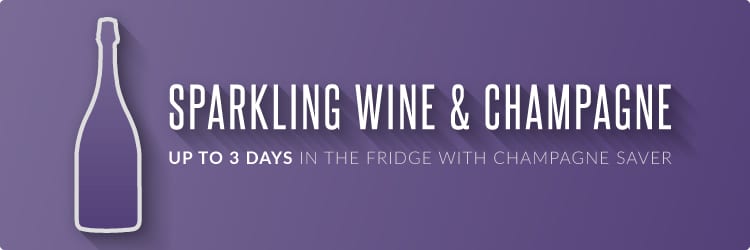
Sparkling wines and champagnes are the first to lose their appeal after opening because of the loss of carbonation. They will last up to three days in the refrigerator with a champagne wine stopper.
Full Bodied White Wine
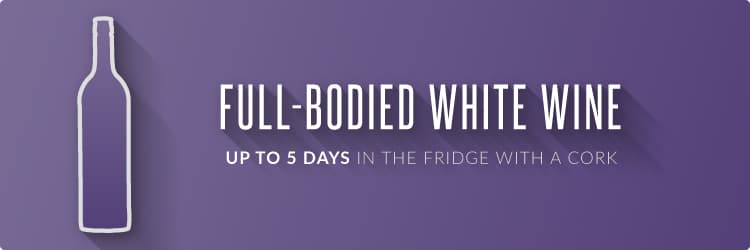
Full-bodied white wines, such as Viognier or Chardonnay, will spoil more quickly than a light white wine because they are less acidic. Therefore, it is a good idea to keep them in the fridge with a cork or invest in a vacuum pump.
Red Wine
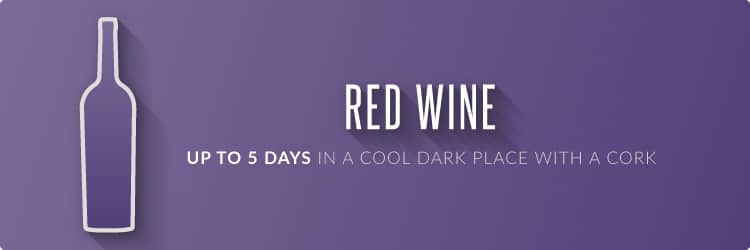
How long a red will last depends on the acidity and tannin levels of the wine. Pinot Noir, a light red with low tannin levels, is one of the most sensitive red wines when exposed to oxygen. A bold red such as Petite Sirah will last longer, and some wines will taste better the day after uncorking as the wine opens up, exposing its flavors and aromatics. A wine refrigerator will allow you to store your bottles at an ideal temperature, but if you don't have access to one, storing an open bottle in the fridge is a better option than leaving it out in a 70° F room.
Light White & Rose Wines
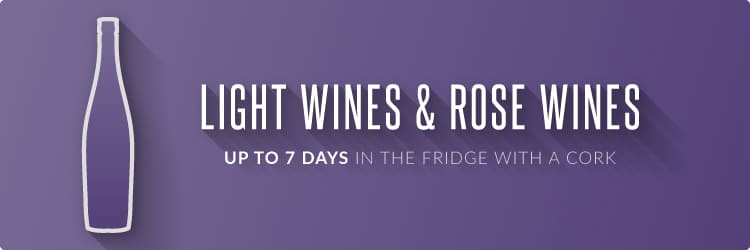
The higher sugar and acidity levels in rosé and light white wines such as Sauvignon Blanc and French Riesling allows them to keep for up to a week when stored in the refrigerator. Some will even taste better after the first day as subtle changes in the taste occur due to oxidization.
Fortified Wine
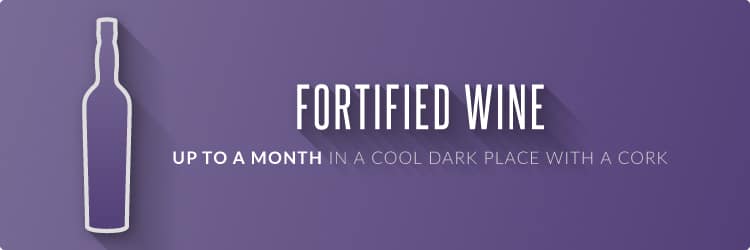
Ports, Sherry, Madeira and other fortified wines that have had brandy added to them can last a long time. The sweeter it is, the longer it will last. You just want to make sure to limit their exposure to light and heat, so store them in a wine refrigerator or cellar if possible.
Boxed Wine
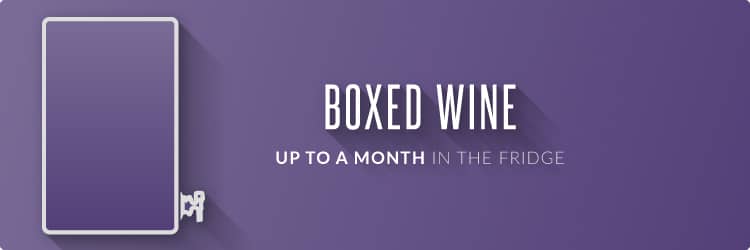
Boxed wine is great in that the bag-in-a-box system does not allow the wine to be exposed to oxygen, so you can pour a glass at a time without worrying about recorking or other preservation methods. Due to regulations on food stored in plastics, you will still need to pay attention to the expiration date on the box.
The age of the wine can also go a long way in determining how long it will last when opened. Younger wines will generally remain fresh longer than older wines will after they have been opened, so if you're planning on opening a 10-year-old bottle of wine, be prepared to have a few glasses in one sitting!
Personal taste goes a long way in determining if a wine is still good. If the wine has really gone bad, the smell will most likely alert you before you even taste it. If you open taste a wine that's been open and it tastes good to you, go for it!