

 Single Faucet Kegerator Beer Dispensers
 Dual Faucet Two Tap Kegerators
 Triple Faucet Three Tap Kegerators
 Undercounter Built-In Kegerators
 Outdoor Kegerator Beer Dispensers
 ADA Kegerators
 Commercial Kegerators
 Mini Kegerators
 Cold Brew & Nitro Coffee Dispenser Kegerators
 Home Brew Kegerators
 Carbonated Water Kegerators
 15" Kegerators
 Kombucha Equipment
 Guinness® Dispensing Kegerators
 Wine Kegerators
 Kegerator Cabinets
 Kegerator Covers and Accessories
 Kegerators
 Kegerator Conversion Kits
 Kegs & Keg Accessories
 Beer Faucets
 Beer Shanks
 Draft Beer Towers
 Keg Taps Couplers
 Regulators & Gas Equipment
 Beer & Gas Line Hose
 Co2 and Nitrogen Air Tanks
 Beer Line Cleaning Equipment
 Drip Trays
 System Fittings
 Jockey Boxes
 Keg Beer Party Pumps
 Glassware
 Guinness® Dispensing Equipment
 Remote Glycol Systems
 Wine Cooler Refrigerators
 Wine Cellar Cabinets
 Wine Racks
 Cooling Units
 Wine Dispensing Systems
 Wine Accessories
 Wine Making
 Nitro Hot Draft System
 Ready to Drink Bag-in-a-Box Coffee Dispensing Equipment
 Nitrogen Infusers
 Nitrogen Tanks & Generators
 Nitrogen Beer Regulators
 Nitro Cold Brew Coffee Kegs
 Cold Brewed Coffee Tools
 Cleaning Equipment
 Outdoor Appliances
 ADA Appliances
 Panel Ready Appliances
 Commercial Grade Appliances
 Beverage Centers
 Refrigerators
 Drawer Refrigerators
 Ice Makers
 Water Dispensers & Accessories
 Freezers
 Home Brew Equipment Kits
 Fermentation Equipment
 Boiling and Mashing Equipment
 Home Brew Beer Kegs
 Home Brew Kegerator Conversion Kits
 Brewing Tools
 Home Brew Ingredients
 Cleaning Chemicals
 Test Equipment
 Home Brew Beer Bottles and Bottling Equipment
 Brewery Fittings
 Draft Beer Equipment
 Homebrewing Equipment
 Wine Equipment
 Luxury Appliances and Refrigeration
 Coffee Equipment
 Kombucha
 The Beverage Blog
 Frequently Asked Beer Questions
 Shop by Brand
 Shop by Category


July 20, 2023

Introduction
When it comes to storing wine properly, temperature control is only half the equation; size and fit matter just as much. The dimensions of a wine fridge can significantly impact where it can be placed and the number of bottles it can hold. Choosing the right size ensures not only optimal storage conditions but also a seamless integration into your home or workspace.
A wine fridge that's too large may dominate a room or require costly renovations. One that's too small might not meet your growing collection's needs. That's why it's essential to understand the range of wine refrigerator dimensions available and how they align with your space, usage habits, and design goals.
This guide is designed for homeowners looking to enhance their kitchens or entertainment areas, wine collectors needing proper long-term storage, and designers or remodelers planning out built-in or under-counter installations. Whether you're upgrading an existing setup or starting fresh, understanding wine fridge dimensions will help you make a smarter, more satisfying investment.
1. Wine Fridge Types and Where They Fit
Here's a breakdown of the main wine fridge types and where they're most commonly used:
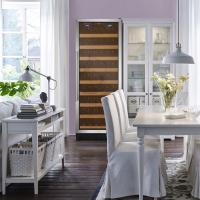
Freestanding Wine Fridges
- Best For: Open areas, basements, spare rooms, or spaces with plenty of ventilation.
- Ventilation Needs: Rear or side-venting - requires 2"-4" clearance on sides and back.
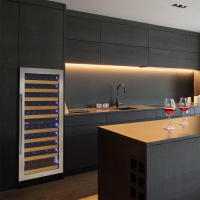
- Description: Freestanding units are designed to stand alone with airflow room behind and around the unit. They're not intended to be built into cabinetry, as restricted airflow can lead to overheating. Available in a wide range of sizes, from small units to full-height wine cabinets that can hold 100+ bottles - perfect for collectors and cellars.
Built-In Wine Fridges
- Best For: Kitchens, custom cabinetry, wet bars, or any location where a seamless look is desired.
- Ventilation Needs: Front-venting - can be installed flush with cabinetry.
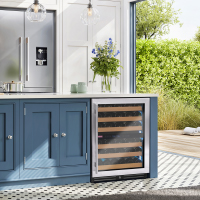
- Description: Built-in wine coolers are designed to integrate smoothly into cabinets or under counters. Thanks to front-venting systems, they maintain proper airflow even in enclosed spaces. These models offer a clean, professional finish and are available in various widths, typically ranging from 15" to 24".
Under-Counter Wine Fridges
- Best For: Kitchens, bars, office break rooms.
- Ventilation Needs: Front-venting (functions like built-in units).
- Description: A subcategory of built-in fridges, under-counter models are tailored to fit beneath standard countertops (32-34 inches tall). They offer a space-efficient way to add wine storage and usually hold 15 to 50 bottles, making them ideal for moderate wine drinkers who prioritize accessibility and convenience.
Countertop & Compact Wine Coolers
- Best For: Apartments, offices, dorms, or as a secondary unit.
- Ventilation Needs: Typically rear-venting - allow open space behind.
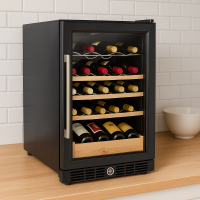
- Description: These compact units are perfect for casual wine drinkers or tight spaces. They usually store 6 to 18 bottles and sit easily on kitchen countertops or shelves. Though smaller, they offer efficient temperature control and are a great low-commitment entry into wine storage.
2. Standard Wine Fridge Dimensions
Wine fridges vary widely in size, but understanding the standard dimensions can help you find the right fit for your space and your collection. Whether you're planning for a built-in kitchen upgrade, a basement cellar, or a countertop unit, the following dimensions offer a useful reference when shopping or designing.
Typical Wine Fridge Dimensions by Category
| Width | Height | Depth | Type | Bottle Capacity |
|---|---|---|---|---|
| 6"-12" | 32"-34" | 20"-24" (built-in) | Slim / Countertop | 6-12 bottles |
| 15" | 32"-34" | 21"-24" (built-in) | Under-Counter | 18-30 bottles |
| 18" | 32"-34" | 21"-24" (built-in) | Under-Counter | 30-40 bottles |
| 24" | 32"-34" or 60"+ | 21"-24" (built-in) / 25"+ | Built-in / Freestanding | 40-100 bottles |
| 30"-36"+ | 60"-72"+ | 25"+ (freestanding) | Full-Height Cabinet | 100-300+ bottles |
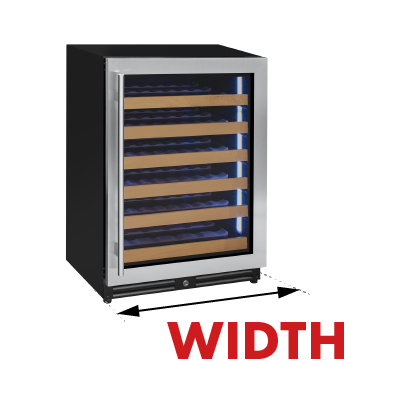
- Most built-in units fall between 15" and 24", ideal for standard kitchen cabinet widths.
- Wider units (30" or more) are designed for large-scale storage or dual-zone cooling.
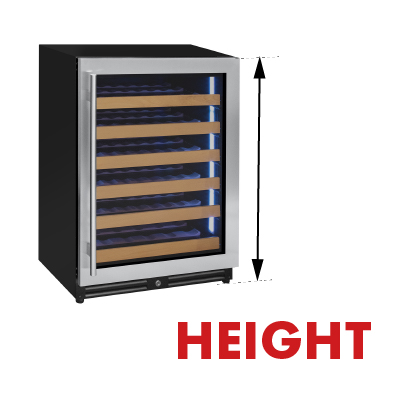
- Counter-height units (~32"-34") are great for under-counter or compact installations.
- Full-height units (60"+) suit serious collectors or custom wine cellars.
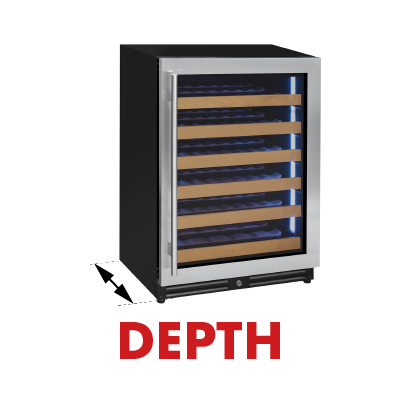
- Built-in fridges typically measure 21"-24" to sit flush with counters.
- Freestanding models often require 25"-27"+ for proper ventilation.
Bottle Capacity
- Compact Models (6-27 bottles) - Ideal for casual collectors or small spaces
- Medium Models (28-49 bottles) - Great for growing collections or frequent entertainers
- Large Models (50-59 bottles) - Suitable for serious wine lovers with moderate storage needs
- Wine Cabinets (60-300 bottles) - Designed for collectors, cellaring, or commercial use
Understanding these size categories helps narrow down your options, especially if you're working within cabinetry limits or planning for future collection growth.
3. How to Measure Your Space
Before you choose a wine fridge, it's essential to measure your available space accurately. A wine cooler that fits perfectly not only looks great but also performs efficiently and safely.
Step-by-Step Measurement Guide
-
Measure the Width
- Use a tape measure to find the exact width of the space where the unit will go.
- For built-in models, account for the width of cabinetry or counters on either side.
-
Measure the Height
- Measure from the floor to the bottom of any overhangs or counters.
- Be sure to account for leveling legs or wheels that might raise the fridge slightly.
-
Measure the Depth
- Measure from the wall to the front edge of the counter or adjacent surface.
- Built-in models should sit flush with cabinetry (typically 24"), while freestanding units need extra clearance.
-
Account for Clearance
- Side and rear clearance is essential for proper airflow, especially on freestanding units.
- Top clearance may also be needed for ventilation or hinge operation.
Tips for Placement & Functionality
- Corner Placement: Leave enough space on either side of the unit if placing it in a corner. This ensures proper airflow and avoids blocking cabinet doors.
- Door Swing: Check the door's hinge side and plan for full swing clearance. Some models offer reversible doors for added flexibility.
- Flooring Matters: Place the unit on a solid, level surface. Avoid carpet or soft flooring, which can interfere with stability and ventilation.
Ventilation Requirements by Model
| Model Type | Ventilation Location | Clearance Needed |
|---|---|---|
| Built-in / Front-Venting | Front (no rear clearance) | ~1/4" sides/top for cabinet fit |
| Freestanding | Rear & Sides | 2"-4" on sides and back |
| Dual-Use Models | Varies by design | Refer to product manual |
4. Capacity vs. Footprint
When shopping for a wine fridge, it's easy to focus solely on the unit's size - but understanding how capacity fits into the equation is just as important. A compact wine cooler may look perfect in your kitchen, but if it can't hold your full collection or adapt to your needs, it could become limiting over time.
How Bottle Capacity Is Calculated
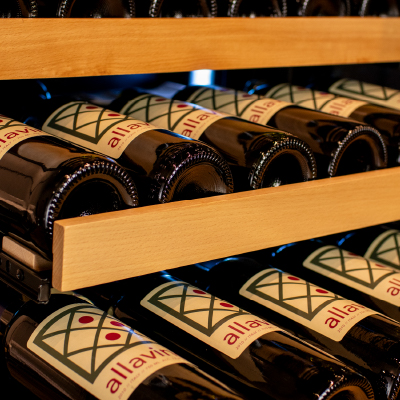
Wine fridges typically list their capacity based on standard 750ml Bordeaux-style bottles (2.75" diameter, 11.75" length). However:
- Larger bottles like Champagne or Pinot Noir may reduce actual capacity.
- Mixed collections with various shapes and sizes may require strategic stacking or shelf removal.
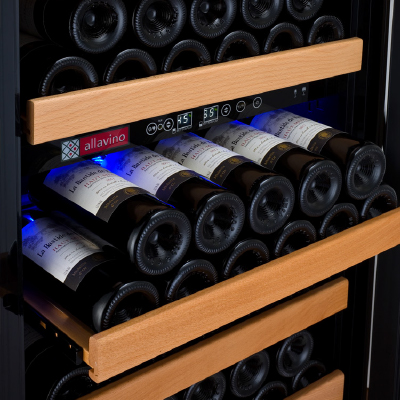
- Interior layout, shelf design, and spacing all influence how many bottles truly fit.
When to Size Up
Consider a larger capacity model if:
- Your collection is growing: If you're new to wine collecting but plan to expand, leave room for growth.
- You entertain frequently: A higher capacity unit makes it easier to keep whites and reds chilled and ready for guests.
- You store a variety of wines: Different varietals have ideal serving temperatures. A roomier fridge helps keep them organized and accessible.
Dual-Zone vs. Single-Zone Storage
Single-Zone Wine Fridges
- Maintain one consistent temperature.
- Ideal for storing one type of wine or for general aging.
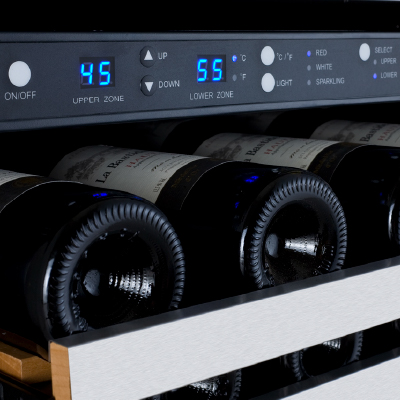
Dual-Zone Wine Fridges
- Offer two independently controlled zones - often one for reds and one for whites.
- Great for collectors or entertainers who want to serve wine at proper temperatures.
Smart Buying Insight: Prioritize capacity planning the same way you'd plan cabinet or appliance storage in your kitchen - it's better to have a little extra space than not enough.
5. Common Placement Scenarios
Choosing where to place your wine fridge is just as important as selecting the correct size. Different environments come with unique layouts, ventilation, and design considerations. Whether you're outfitting a modern kitchen or setting up a dedicated wine room, here are the most common placement scenarios and what to keep in mind for each.
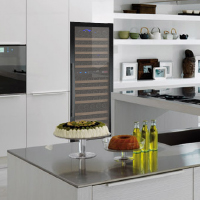
Kitchen Installations
The kitchen is one of the most popular places for wine fridges, especially compact, under-counter models.
- Under-counter or built-in units (15"-24" wide) are often integrated next to cabinets or below countertops.
- Ensure there's proper front ventilation, especially for built-in models.
- Consider door swing clearance and proximity to heat sources (like ovens or dishwashers) that could affect temperature consistency.
- Stylish designs can match stainless steel appliances for a seamless look.
Ideal for: Frequent wine drinkers, casual collectors, or entertaining guests in the kitchen.
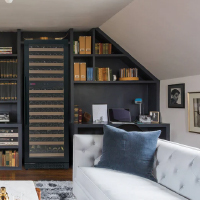
Home Bars & Entertainment Areas
In-home bars or living spaces offer both functional and aesthetic opportunities.
- Wine fridges here often serve a dual purpose: storage and display.
- You can use a freestanding unit as a showpiece or place a compact unit beneath a bar counter.
- Dual-zone fridges are especially useful when entertaining, allowing you to keep whites and reds at their proper serving temps.
Ideal for: Hosts, entertainers, and wine lovers who value presentation.
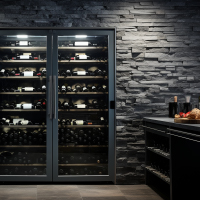
Wine Cellars or Basements
Basements or dedicated wine cellars give you the most flexibility in terms of space and fridge size.
- Tall, freestanding units (up to 36" wide and 70"+ high) provide serious storage capacity.
- A cooler ambient temperature supports more energy-efficient operation.
- Consider humidity control and stable flooring to prevent vibration.
Ideal for: Serious collectors and long-term storage of aging wines.
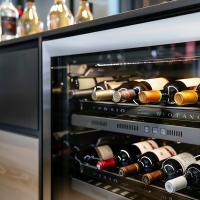
Office or Commercial Spaces
Offices, conference rooms, and customer-facing areas in commercial settings benefit from compact or medium-sized wine fridges.
- They add a touch of hospitality and professionalism.
- Freestanding or built-in options should match existing furnishings and design.
- Quiet operation and discreet lighting can enhance the professional environment.
Ideal for: Business owners, designers, or executive spaces aiming for a polished, high-end touch.
Placement Tip: Always check for adequate clearance and ventilation requirements based on your wine fridge type - this prevents overheating and ensures long-term performance.
6. Style & Finish Considerations
Beyond functionality and size, the aesthetic appeal of your wine fridge plays a major role in how well it integrates with your space. From the finish on the exterior to interior lighting and shelving, these design elements can enhance both visual appeal and user experience.
Stainless Steel, Black, Panel-Ready, or Glass Doors
Wine fridges today come in a variety of finishes to match your personal taste or existing décor:
- Stainless Steel: Sleek, modern, and professional-looking. Pairs well with most kitchen appliances and adds a premium touch.
- Black Finish: Minimalist and versatile - a go-to for understated elegance or darker interior palettes.
- Panel-Ready: Allows you to attach a custom cabinet panel to the front for a seamless, built-in appearance. Ideal for high-end kitchens where design continuity matters.
- Glass Doors: Great for showcasing your collection, often with UV protection to preserve wine quality.
Tip: If opting for glass doors, look for double or triple-pane construction to help insulate and protect your wine.
Flush vs. Protruding Installation Aesthetics
How the fridge sits within your cabinetry or space also impacts the overall look:
- Flush Installations: Panel-ready or built-in wine fridges can be installed flush with surrounding cabinetry for a seamless, integrated design.
- Protruding Units: Freestanding fridges or some built-ins may slightly extend beyond countertops, which can still look stylish if well-balanced with the space.
Lighting, Shelving, and Interior Configuration
Interior design isn't just for looks - it can improve usability, visibility, and storage flexibility:
- LED Lighting: Subtle, energy-efficient lighting highlights your collection without generating heat.
- Removable or Adjustable Shelves: Give flexibility to store larger bottles or reorganize as your collection grows.
- Wood vs. Metal Shelving: Wooden racks offer a more traditional and vibration-dampening option, while metal tends to provide a modern, minimalist vibe.
Whether your wine fridge is meant to blend in or stand out, choosing the right finish and design features ensures it complements your space while meeting your needs.
7. Final Checklist: Finding the Right Fit
Before you click "add to cart," take a moment to run through this quick checklist to ensure the wine fridge you've chosen will meet your needs and fit seamlessly into your space.
Quick Pre-Purchase Checklist
- Measured your available space?
Double-check width, height, and depth-including ventilation clearance. - Checked door swing direction?
Make sure there's room for the door to open fully without obstruction. - Counted how many bottles you plan to store?
Select a capacity based on your current collection and future growth. - Selected the right type?
Choose between built-in, freestanding, countertop, or full-height models depending on placement. - Verified power outlet placement?
Ensure there's a grounded outlet nearby with no need for extension cords. - Chosen the right cooling zones?
Decide between single-zone or dual-zone based on the types of wine you drink. - Matched the unit's style with your space?
Pick a finish that complements your kitchen, bar, or cellar. - Read up on maintenance and noise levels?
Know what to expect in terms of upkeep and operation.
🔗 Helpful Resources
- How to Start a Wine Collection
We created a simple guide for developing a collection you'll be proud to show off. - How To Choose A Wine Rack
We wanted to offer you a simple guide for choosing your perfect wine rack. - How to Host a Wine Tasting
You can really bring the winery experience to your own home when you set up a wine tasting party.
👉 Ready to explore?
Browse our complete collection of wine refrigerators or check out our Wine Fridge Buying Guide to help you find the best match for your space and collection.
Cheers to smart wine storage!
Contact our specialist today by phone 800.710.9939 or email sales@beveragefactory.com to find the perfect wine fridge for your needs.