

 Single Faucet Kegerator Beer Dispensers
 Dual Faucet Two Tap Kegerators
 Triple Faucet Three Tap Kegerators
 Undercounter Built-In Kegerators
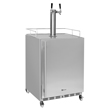 Outdoor Kegerator Beer Dispensers
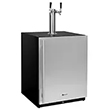 ADA Kegerators
 Commercial Kegerators
 Mini Kegerators
 Cold Brew & Nitro Coffee Dispenser Kegerators
 Home Brew Kegerators
 Carbonated Water Kegerators
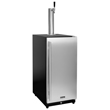 15" Kegerators
 Kombucha Equipment
 Guinness® Dispensing Kegerators
 Wine Kegerators
 Kegerator Cabinets
 Kegerator Covers and Accessories
 Kegerators
 Kegerator Conversion Kits
 Kegs & Keg Accessories
 Beer Faucets
 Beer Shanks
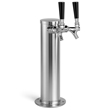 Draft Beer Towers
 Keg Taps Couplers
 Regulators & Gas Equipment
 Beer & Gas Line Hose
 Co2 and Nitrogen Air Tanks
 Beer Line Cleaning Equipment
 Drip Trays
 System Fittings
 Jockey Boxes
 Keg Beer Party Pumps
 Glassware
 Guinness® Dispensing Equipment
 Remote Glycol Systems
 Wine Cooler Refrigerators
 Wine Cellar Cabinets
 Wine Racks
 Cooling Units
 Wine Dispensing Systems
 Wine Accessories
 Wine Making
 Nitro Hot Draft System
 Ready to Drink Bag-in-a-Box Coffee Dispensing Equipment
 Nitrogen Infusers
 Nitrogen Tanks & Generators
 Nitrogen Beer Regulators
 Nitro Cold Brew Coffee Kegs
 Cold Brewed Coffee Tools
 Cleaning Equipment
 Outdoor Appliances
 ADA Appliances
 Panel Ready Appliances
 Commercial Grade Appliances
 Beverage Centers
 Refrigerators
 Drawer Refrigerators
 Ice Makers
 Water Dispensers & Accessories
 Freezers
 Home Brew Equipment Kits
 Fermentation Equipment
 Boiling and Mashing Equipment
 Home Brew Beer Kegs
 Home Brew Kegerator Conversion Kits
 Brewing Tools
 Home Brew Ingredients
 Cleaning Chemicals
 Test Equipment
 Home Brew Beer Bottles and Bottling Equipment
 Brewery Fittings
 Draft Beer Equipment
 Homebrewing Equipment
 Wine Equipment
 Luxury Appliances and Refrigeration
 Coffee Equipment
 Kombucha
 The Beverage Blog
 Frequently Asked Beer Questions
 Shop by Brand
 Shop by Category


August 27, 2020

The best-known secret among the wine industry's finest, are wine cooling units. Similar in appearance to a traditional air conditioning unit, these cooling units are actually engineered to maintain and preserve the quality of your wine. You may be already asking yourself, "Why would one need a device like this?" and "How is it different to a wine refrigerator?" and we promise we'll answer all of your burning questions.
We've been in the beverage industry for over 20 years and from our experience, there's no one perfect wine storage solution for everyone. There are so many factors to consider, from the space you have at your home or business to the capacity you need to hold your collection. It's the reason why we want to present all the available options for our customers. Wine cooling units are an underrated wine preservation device that many, outside of the beverage industry, aren't familiar with but they can be a game-changer for your wine storage needs.
Let's discuss the basics.
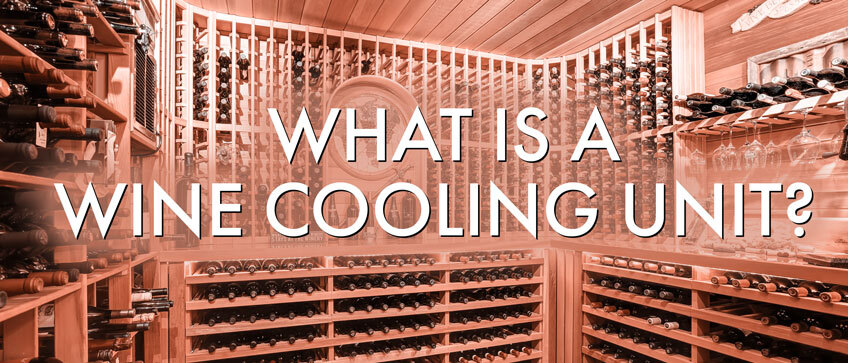
What is a wine cooling unit?
In the simplest terms, it's an air conditioning unit for your wine. If you're reading this, you already know wine can be very temperamental and high maintenance and if you're serious about preserving wine, it's more than just temperature you need to worry about. That leads us to our next topic.

Why use a wine cooling unit?
Well, as great as it would be to just use a standard air conditioning unit or just turn up the a/c at home, wine not only needs to be kept at specific temperatures but the humidity needs to be ideal to prevent your corks from drying out and allowing oxygen to enter the sealed bottle. The last thing you want when storing wine is for the bottle to go bad before you're ready to drink it. A wine cooling unit typically maintains 50% to 70% relative humidity, creating a controlled environment for wine containment.
One of the big reasons why someone would use a wine cooling unit is because they want to customize their wine storage solution. If a wine refrigerator isn't for you or maybe you need a significant capacity, you may want to build your own cellar or storage space. Wine cooling units allow you to ensure the perfect temperature and customize your storage space.

What are the features of a wine cooling unit?
Automatic Humidity Control
Ideal for preventing cork and label deterioration, the gentle cooling method that these units provide maintain the ideal humidity for long-term wine preservation. These units eliminate excess air moisture but don't cause the air to become dry.
Consistent Temperature Control
Due to their specialized design, these wine cooling units are designed with precise temperature control and have minimal fluctuations in temperature even when cooling a large space. This ensures that there will be no dramatic drop in temperature that will be damaging to aging wines.
Quiet Operation
Designed to discrete and undetectable, these wine cooling units can be used without disturbing the ambiance of a home or business. Their minimal noise operation is designed for elegant entertaining and exceptional cooling.
Vibration Control
Another essential factor for maintaining and preserving wine is vibration control. Excessive movement and even the most minimal vibrations can affect sediment formation and leave particles suspended in the wine. This damage can be irreversible for older wines but wine cooling units can be specifically placed away from the wine storage and they are engineered with vibration dampening technology.
Easy Installation
These wine cooling units are easy to install because they are completely self-contained and require no additional parts. They can be simply mounted to a wall and plugged into a standard 115 AC outlet. These units are built ready to use and don't require professional installation or wiring.

How to choose a wine cooling unit
Consider your insulation not the size of your cellar.
Many people believe that you need to shop for your wine cooling unit based on the size of your cellar but that's a huge mistake! A small cellar could still have poor insulation and you may need a more powerful and larger wine cooling unit.
When in doubt, go larger.
If you're unsure about your insulation situation, going with a larger cooling unit won't hurt. In fact, it will prevent your unit from running constantly just to maintain temperature. A larger for your cellar capacity is more efficient at cooling and will not need to run constantly, saving you more in energy costs.
Keep in mind where you plan on installing your unit.
You will need to consider the space you have to install the unit and where the exhaust will be coming out. This is important because this is where hot air will be expelled and where the unit will produce the most noise. It is very important that the exhaust isn't recycled into the unit because it will defeat the purpose of the cooling unit.
You need to ensure that when installing your unit, the cooling unit is pulling air from outside the cellar. You need fresh air to circulate and cool your cellar.
Consider your outdoor conditions.
If you live in a hot climate zone, you will need a more powerful unit because the maximum difference between the outside temperature and cellar temperature that the unit can maintain is about 30 degrees. Beyond, that you may have an issue of the temperature rising, which for preserving wine is a huge issue.
To account for this, figure out if the wine cooling unit has a limit on the differential. Units can range from a differential limit of 30 to 55 degrees. This means, that the higher differential the more likely it will maintain temperatures, even with a large temperature difference between the outside and inside of the cellar.
Shop Wine Cooling Units
Shop our selection of wine cooling units here.
Here are some units we recommend based on our over 20 years serving the wine industry.
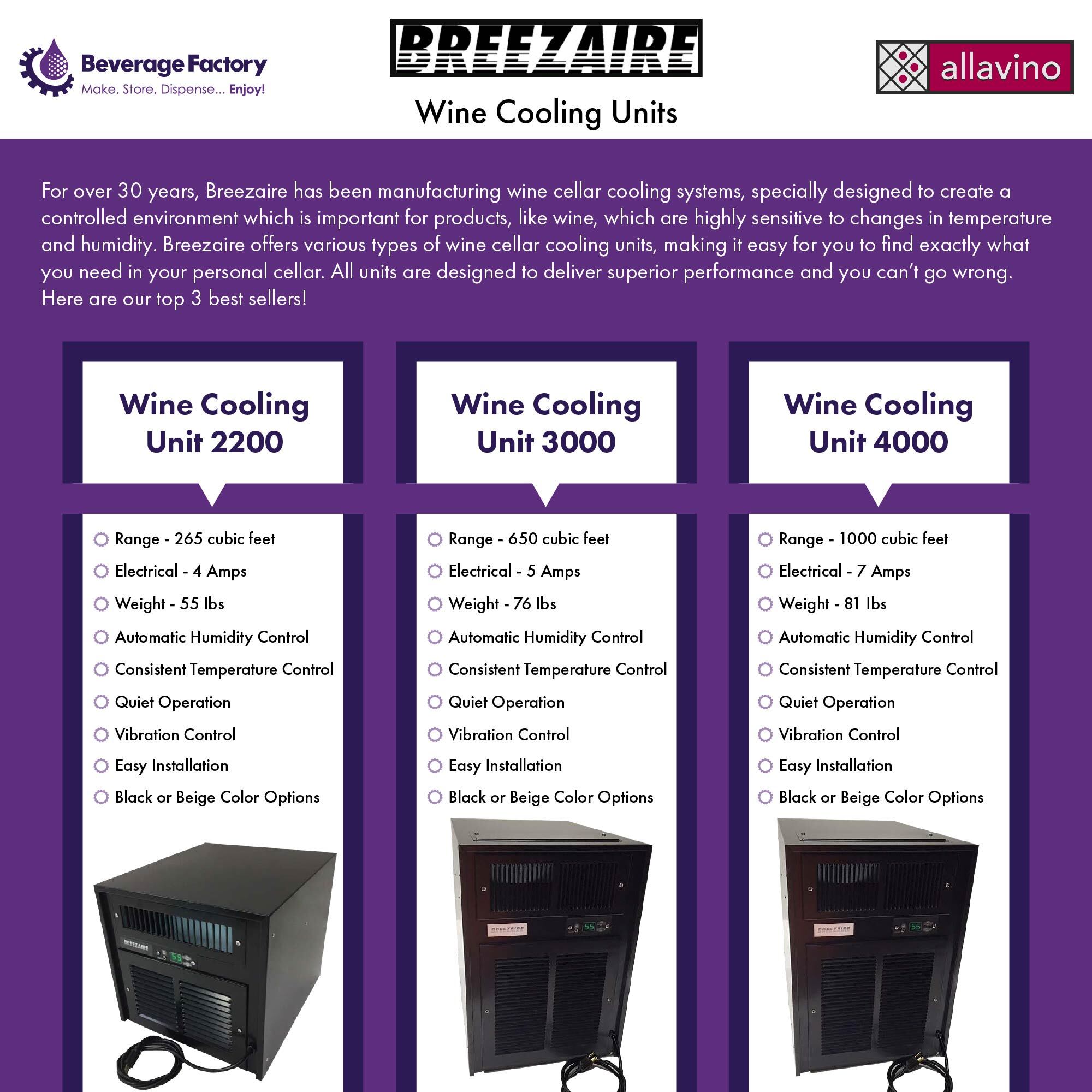
Contact our product experts at 800-710-9939. to help you select your perfect wine cooling unit for your home or business.
Learn more about choosing the best wine refrigerator in our Top Rated Wine Coolers & Refrigerators By Sommeliers and Top Wine Professionals Blog.